

Key Takeaways
- Shower thoroughly before entering, as hygiene is paramount.
- Always sit on a clean towel to protect the wooden benches.
- Keep conversations soft and respectful; loud talk disrupts the tranquil atmosphere.
- Never pour water on the rocks without asking others first.
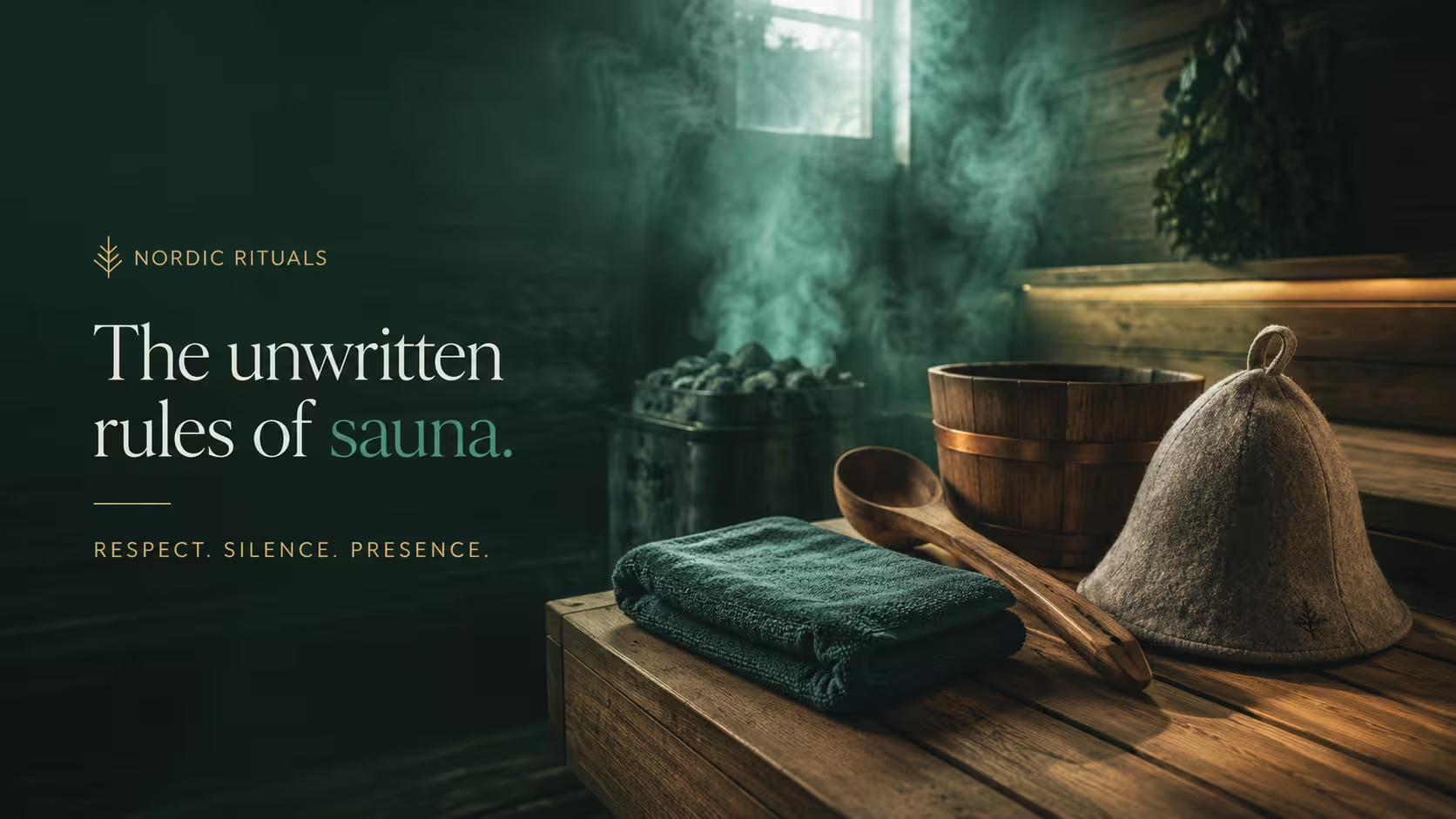
- Wear a sauna hat to protect your head from extreme heat and prolong your session comfortably.
- Avoid alcohol and heavy meals before sauna.
- Leave phones and electronics outside to preserve the digital detox.
- Hydrate before, during (if allowed), and after.
Why Does Sauna Etiquette Matter?
Sauna etiquette is not just a collection of arbitrary rules; it is rooted in health, hygiene, and the communal spirit of shared heat. Proper behavior ensures that everyone can enjoy the therapeutic benefits without discomfort or risk. Neglecting these norms can lead to conflict, injury, or simply a ruined experience for others.
By understanding the why behind each guideline, you’ll become a respectful and welcome member of any sauna community. This section explores the historical and scientific underpinnings of sauna rules.
Historical Roots of Sauna Etiquette
Question: How did sauna etiquette develop over centuries?
Answer: Sauna etiquette evolved from ancient Nordic, Baltic, and Russian bathing traditions where the sauna was a sacred space for cleansing, healing, and even childbirth. Strict rules maintained purity and respect for the löyly (the spirit of the steam).
In Finland, the sauna has been a cornerstone of life for over 2,000 years. Originally, saunas were dug into the earth and heated with stones, serving as winter dwellings, places of worship, and sites for healing rituals [1]. Because of this multi-purpose role, cleanliness was seen as a spiritual practice. Early sauna-goers would wash thoroughly before entering, believing that a dirty body could offend the sauna spirit, or löyly [2]. This tradition persists today in the universal expectation to shower first.
The communal nature of the sauna also necessitated rules about noise and modesty. In a small, dimly lit room, loud voices or sudden movements could startle others or break the meditative mood. Similarly, because heat and steam were precious resources, wasting löyly by constantly adjusting the door or pouring too much water was considered disrespectful. These customs were passed down orally and later codified as public saunas became popular in the 19th century. Thus, modern etiquette is a direct descendant of ancient wisdom.
The Science Behind Shared Heat Spaces
Question: What does science say about the need for sauna rules?
Answer: From a biological perspective, shared hot environments amplify the importance of hygiene and behavioral norms. Sweat and skin cells can carry bacteria, and high heat may compromise balance and cognitive function, making mindfulness essential.
Human sweat is primarily water, but it also contains urea, ammonia, and sodium chloride, which can mix with dead skin cells to create a breeding ground for microbes if left on benches [3]. This is why sitting on a towel is not just polite but also a public health measure. Studies have shown that sauna benches without hygiene protocols can harbor fungi and bacteria like Staphylococcus aureus [4]. Simply using a personal towel reduces contamination risk dramatically. Furthermore, heat exposure dilates blood vessels and can lead to orthostatic hypotension if you stand up too quickly, so the rule against horseplay or sudden movements has a safety rationale [5].
What to Do in a Sauna (The Dos)
Should You Shower Before Entering a Sauna?
Question: Is a pre-sauna shower mandatory?
Answer: Absolutely. Showering removes sweat, lotions, and dirt that can degrade air quality and hygiene inside the sauna. Most facilities require it, and it primes your skin for better heat tolerance and sweating.
A quick rinse with mild soap ensures you enter clean and respectful of the shared space. Research indicates that pre-heat cleansing can also open pores, allowing for more efficient detoxification through sweating [6]. For details on sauna clothing after the shower, see our complete guide on what to wear in a sauna.
Beyond hygiene, starting with a clean body enhances the sensory experience of the sauna. The steam will feel fresher, and the natural wood aromas are more noticeable. Many sauna users also rinse their feet again just before entering to prevent any lingering road dust from dirtying the floor. This small gesture shows thoughtfulness and deepens your own practice of self-care.
Is a Towel Required in a Sauna?
Question: Do I really need to sit on a towel?
Answer: Yes, in almost every sauna culture, sitting on a towel is a strict rule. It creates a personal barrier between your body and the bench, preventing sweat stains and bacterial transfer to the wood surface.
Position a large towel or thin sauna wrap so that no part of your skin touches the wood directly. This not only meets hygiene standards but also protects your skin from harsh cleaning chemicals often used on public sauna benches. In sauna dress codes, the towel also serves as a modest cover-up when moving between the sauna and cool-down areas. Some venues even supply paper seat covers for extra protection.
What Is the Proper Way to Sit in a Sauna?
Question: Is there a correct sitting posture or location?
Answer: Do not sit directly on bare wood; always use your towel. In a traditional Finnish sauna, the upper benches are hotter, so they are preferred by experienced users, while beginners may start lower.
Posture matters for both comfort and respect. Keep your feet off the bench; they should rest on the floor or lower rung unless you are lying down with a full towel underneath. Avoid sprawling or taking up excessive space when the sauna is busy. The calm, upright position facilitates deeper breathing and better heat distribution across the body. If you choose to lie down, ensure your towel covers the entire area your body touches and that you do not block foot traffic.
Temperature gradients are steeper in Finnish saunas than in infrared units. Use the height rule: sit where you feel most comfortable, and never monopolize the heater by standing directly in front of it unless invited to do so. For more on temperature differences, check our sauna temperature guide.
How to Adjust Temperature Respectfully?
Question: Can I pour water on the rocks or change the thermostat?
Answer: Never pour water on the rocks without first asking everyone present. The sudden steam spike, known as löyly, intensifies heat and can overwhelm those not expecting it.
In a public sauna, a silent nod or a quick glance around is usually enough to seek consensus. Some saunas have a designated water dipper; use it sparingly and only after a polite verbal cue. The same courtesy applies to opening a window or adjusting a thermostat – it is a shared environment. Remember that the sauna’s heat is part of the experience, and not everyone shares the same tolerance. The complete heat guide explains ideal temperature ranges for each sauna type.
Why Should You Wear a Sauna Hat?
Question: Is a sauna hat really necessary?
Answer: While not mandatory everywhere, wearing a sauna hat is a sign of good etiquette because it protects your head from scalding heat, preventing dizziness and discomfort that could shorten your session or disrupt others.
A quality wool sauna hat shields your ears and scalp, which are particularly sensitive to high temperatures. By keeping your core temperature more balanced, you can stay longer without overheating, benefiting the entire room’s vibe by reducing the door-opening interruptions that release steam. Learn nine science-backed benefits of sauna hats, and explore our best-selling Classic Merino Wool Sauna Hat or the Premium Wool Felt Sauna Hat for next-level heat protection.
Regular sauna-goers often view the hat as a tool of mindfulness, signaling their commitment to the practice. It also prevents overheating of facial skin, which can cause premature aging from repetitive heat exposure. Many Nordic cultures consider the hat an essential part of proper sauna attire, and you’ll see them worn even in 100°C smoke saunas [7].
What About Hydration?
Question: Can I bring water into the sauna?
Answer: Yes, hydration before, during (if allowed), and after your session is crucial. Drink plenty of water before entering; some saunas permit a sealed water bottle inside, but always check facility rules.
Dehydration can lead to lightheadedness or heat exhaustion, spoiling the experience for you and potentially alarming others. Sipping a small amount of water between rounds helps maintain your body’s balance. For a deep dive into sauna frequency and its health impacts, read how often you should sauna, with a science-backed weekly schedule.
What Never to Do in a Sauna (The Don’ts)
Can You Talk Loudly in a Sauna?
Question: Is conversation allowed, and how loud is too loud?
Answer: Quiet, calm conversation at a low volume is usually acceptable, but loud talking or laughter disrupts the meditative atmosphere and should be avoided.
Saunas are places of retreat, not social clubs. If you chat, use a hushed tone and be mindful of others trying to relax. Sensitive topics or business calls are especially inappropriate. In many European saunas, complete silence is the norm, with signs posted to reinforce this. If you must converse, keep it brief and gauge the mood of the room.
Is It Okay to Use Electronics in a Sauna?
Question: Can I bring my phone, tablet, or headphones?
Answer: No. Electronics are a double offense: they disturb the quiet with sounds or light, and the heat can damage devices, causing battery hazards.
Leave phones in a locker. Even silent screens emit a glow that destroys the dim, candlelit ambiance many saunas cultivate. The digital detox is part of the wellness ritual. If you need to listen to music, use waterproof shower headphones with the volume low, but confirm with the sauna host that it’s allowed.
Can You Wear Jewelry or Metal in a Sauna?
Question: Should I take off my watch, necklace, or earrings?
Answer: Yes, remove all metal items. They can heat up quickly and cause burns, and they may also scratch delicate sauna wood.
Take off rings, bracelets, watches, and any body piercings that could become uncomfortably hot. Even metal-framed glasses can cause discomfort; opt for rimless or silicone frames if needed. This rule also extends to hair pins and underwired bras. A simple check before entering prevents a painful lesson.
Why You Should Never Pour Water Without Asking
Question: Is the water rule really that strict?
Answer: Yes, it is one of the most sacred parts of sauna etiquette. Pouring water without permission can cause intense steam that feels violent to others and may lead to confrontations or even burns.
The löyly is a shared gift, not a personal tool. In some cultures, the sauna host is the only one allowed to add water. Respect this hierarchy. If you are in a self-service sauna, always ask or gesture before using the ladle. This courtesy is deeply embedded in Nordic traditions and shows your awareness of communal harmony [8]. Read more about the cultural significance in our beginner’s guide to sauna hats where we touch on Finnish traditions.
The Dangers of Overstaying
Question: How long is too long in a sauna?
Answer: Most experts recommend 15-20 minutes per session, followed by a cooldown. Pushing beyond your tolerance not only risks dehydration and fainting but also makes others uncomfortable if you appear distressed.
Overstaying often causes the sauna guard or staff to intervene, breaking the peace. Listen to your body; exit before you feel dizzy. Prolonged sessions can also lead to a dangerous drop in blood pressure. For a complete breakdown of healthy routines, see our sauna frequency guide.
Why Alcohol and Sauna Don’t Mix
Question: Can I have a beer or cocktail before or during sauna?
Answer: No. Alcohol and heat both dilate blood vessels, dramatically increasing the risk of fainting, arrhythmias, and severe dehydration. It is universally advised against.
Even a small amount can impair your judgment and heat sensation, leading to dangerous overexposure. Many sauna accidents involve alcohol. Hydration with water or electrolyte drinks is the only safe choice. If you’re interested in the classic Finnish ritual, cold beers are only enjoyed after the final cooldown, never during.
Sauna Etiquette for Different Types of Saunas
Finnish Sauna Etiquette vs. Infrared Sauna Rules
Question: Do the rules change between traditional and infrared saunas?
Answer: The core principles remain the same – hygiene, quiet, and respect – but infrared saunas are often solo or smaller, meaning towel use and heat adjustment rules are less communal.
In a traditional Finnish sauna, löyly rituals and bench hierarchy govern behavior. Infrared saunas, which use light to heat the body directly without steam, have a more medical, quiet atmosphere. You still need a towel, but the temperature is lower (typically 120-140°F vs. 170-200°F), so the sauna hat might be optional for some. Still, wearing one can prolong comfort in either type. Check out our Premium Wool Bucket Hat for a versatile option.
Public infrared saunas are rare, so most are found in spas or homes. The etiquette is simpler: keep the room clean, don’t touch the panels, and shut the door gently after use. A detailed temperature comparison is available for both.
Public vs. Private Sauna: How Rules Change
Question: Are private saunas a free-for-all?
Answer: Even at home, practicing good sauna etiquette builds mindfulness and safety habits. You still need to shower, sit on a towel, and keep sessions moderate.
Family saunas may relax some dress codes, but hygiene rules are strictly maintained. Private saunas also require ventilation and cleaning routines to prevent mold. Public venues add layers of social awareness – gender separation, silent policies, and posted time limits – but the core etiquette transfers seamlessly. Being a good sauna citizen at home makes you a better guest in public.
Sauna Etiquette Around the World
Nordic Traditions vs. American Spa Norms
Question: How does sauna etiquette differ globally?
Answer: In Nordic countries, saunas are often mixed-gender, nude (with a towel to sit on), and treated as religious-like retreats. In North America, swimsuits are the norm, and conversation is more relaxed.
Cultural context shapes etiquette. In Germany, for example, “textile-free” zones are strictly enforced, while in Japan, washing outside the bath is mandatory before any heat experience. When traveling, observe and ask locals to avoid offense. The sauna hat is a universal symbol of serious sauna culture across borders.
Why Wearing a Sauna Hat Is Part of Proper Etiquette
Integrating a sauna hat into your routine signals that you understand the deeper layers of sauna culture. It’s not just about personal protection; it’s a nod to tradition and a commitment to long, undisturbed sessions that benefit everyone sharing the space. When you wear a hat, you’re less likely to squirm or need a premature exit, keeping the steam inside where it belongs. This small accessory transforms your visit from casual to intentional.
Our hats are crafted from 100% natural wool, designed to insulate without trapping sweat. The Classic Merino Wool Sauna Hat offers a timeless look, while the Bucket Hat provides extra ear coverage. Learn why experts recommend them in our science-backed benefits article.
Common Sauna Mistakes and How to Avoid Them
Even seasoned sauna-goers slip up. Below is a quick reference of frequent slip-ups and the right way to handle them. Following these can save you from awkward moments.
| Mistake | Why It’s Problematic | Correct Etiquette |
|---|---|---|
| Entering with dirty feet | Transfers bacteria and dirt to the flooring and seating areas. | Wash feet in the pre-sauna shower or use provided foot baths. |
| Sitting directly on the wood | Leaves sweat stains, promotes mold, and is unhygienic. | Always use a full-size towel or disposable seat cover. |
| Pouring water without asking | Causes unexpected steam bursts that can startle or burn. | Ask out loud or make eye contact and gesture with the ladle. |
| Slamming the sauna door | Disrupts the heat retention and disturbs the quiet. | Close the door gently and quickly to trap the heat. |
| Using scented products inside | Fragrances can irritate others’ respiratory systems in hot, enclosed air. | Avoid perfumes, essential oils, or heavy lotions before entering. |
| Exercising or stretching inside | Creates excessive sweating and takes up space; risk of injury. | Reserve movement for the cooldown area. |
Frequently Asked Questions About Sauna Etiquette
Can you wear a swimsuit in a sauna?
It depends on the venue. In public American saunas, swimsuits are generally required, while in many European and private saunas, nudity is the norm with a towel for sitting. Always check posted rules or follow the majority.
Is sauna etiquette different for steam rooms?
Very similar. Steam rooms demand extra attention to foot hygiene and shorter sessions due to high humidity. Wear flip-flops if allowed and always sit on a towel. Pouring water on the steam generator is never permitted.
What do I do if someone breaks the rules?
Politely mention the custom to them in a low voice, or quietly inform the sauna attendant if available. Avoid confrontation, as that itself disrupts the peace. Most people simply do not know the unwritten rules.
Can I shave or exfoliate in a sauna?
Absolutely not. Saunas are for sweating and relaxation, not grooming. Such activities leave residue and clog drains. Use the shower area for any personal care routines.
Do sauna etiquette rules apply at home?
Yes. Maintaining a routine of showering, sitting on a towel, and avoiding electronics builds healthy habits and prolongs the life of your home sauna. Your family and guests will appreciate the respect.
Keep Exploring Sauna Wisdom
- How Often Should You Sauna? The Science-Backed Weekly Schedule
- How Hot Is a Sauna? Temperature Guide for Every Sauna Type
- What to Wear in a Sauna: The Complete Dress Code Guide
- 9 Proven Benefits of Wearing a Sauna Hat (Science-Backed)
- Can a Sauna Help You Lose Weight? The Honest Truth
- Is a Sauna Good for a Cold? What Science Actually Says
Topics
Crafted from 100% natural wool felt for thermal protection.

Written by
Erik Virtanen
Erik grew up with the sauna as a weekly ritual. He writes about heat therapy, Nordic wellness traditions, and the art of slowing down.
More from the Journal

How Many Calories Do You Burn in a Sauna? (Real Numbers)
A typical 30-minute sauna session burns approximately 300-500 calories, though this varies by temperature, duration,...

Is a Sauna Good for a Cold? What Science Actually Says
You feel it creeping in. That familiar scratchy throat, the foggy head, the fatigue that...

How Often Should You Sauna? The Science-Backed Weekly Schedule
How Often Should You Sauna? How Often Should You Use a Sauna Per Week? The...