


- Traditional saunas reach 150°F to 195°F; infrared saunas are cooler at 120°F to 140°F.
- Steam rooms maintain 100% humidity at 110°F to 120°F.
- Sauna temperatures above 200°F are possible but require caution.
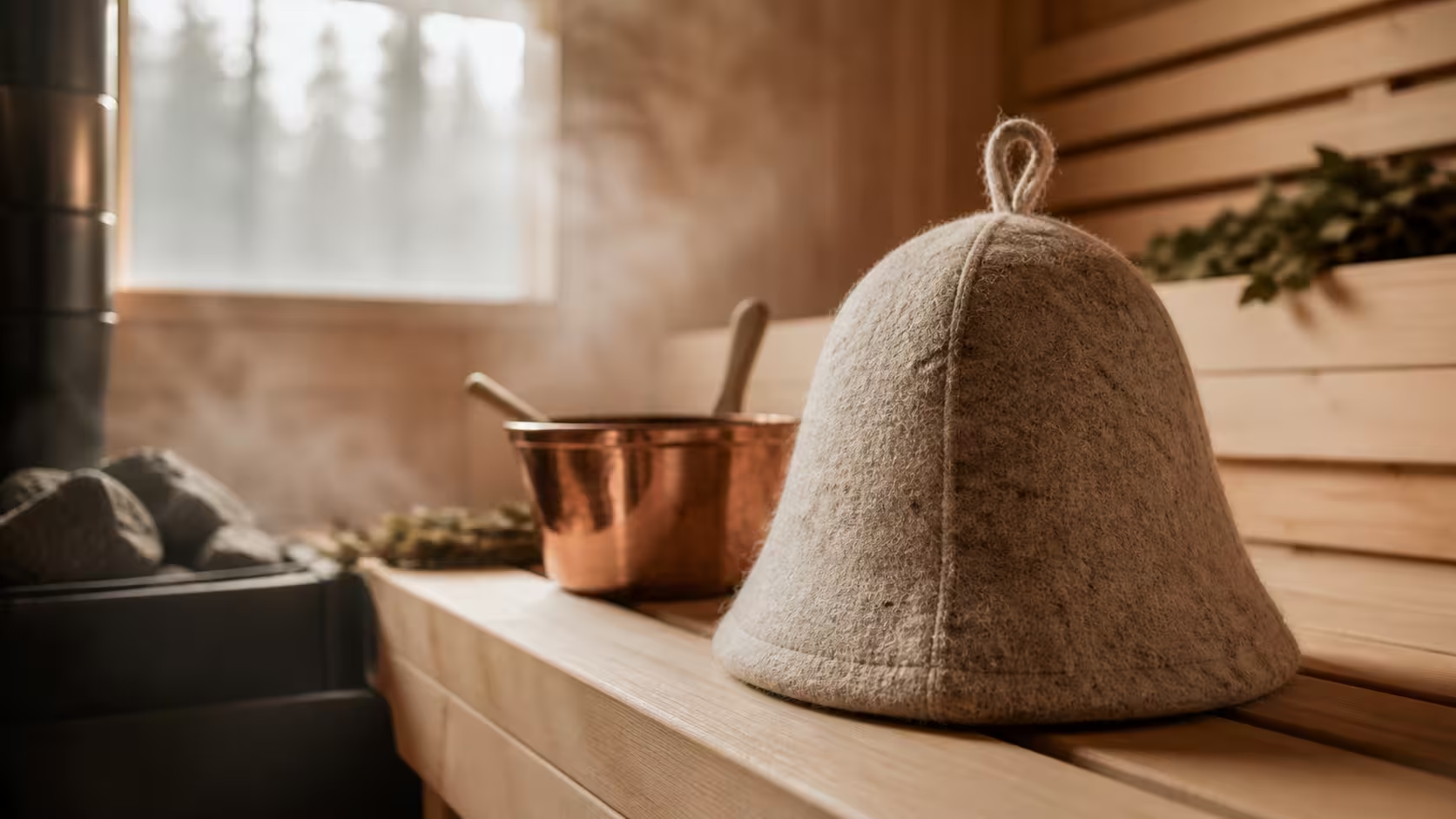
- A premium wool sauna hat can reduce scalp temperature by up to 30°F, preventing heat stress.
How Hot Does a Sauna Get by Type?
The exact temperature of a sauna varies dramatically based on its design and heat source. Below is a detailed breakdown of each category. No matter how hot is a sauna you choose, always wear protection.
Traditional Finnish Sauna (Electric and Wood-Burning)
Traditional Finnish saunas are the most iconic and widely recognized. They use either electric heaters or wood-burning stoves to heat a pile of rocks, which then radiate dry heat throughout the wood-lined room. The standard temperature range is between 150°F and 195°F (65°C – 90°C), with humidity typically kept below 20% by ladling small amounts of water onto the rocks to create brief bursts of steam.
Scientific studies have shown that this temperature range triggers cardiovascular benefits similar to moderate exercise [1]. The Finnish sauna culture often favors temperatures around 176°F (80°C) for optimal relaxation and health [2]. Wood-burning saunas can sometimes reach higher temperatures due to the continuous radiant heat from the fire, but they require skilled ventilation to prevent dangerous spikes.
Historically, Finnish smoke saunas were the birthplace of this tradition, where families gathered weekly to cleanse both body and spirit. The discovery of the sauna’s health benefits led to modern adaptations with cleaner-burning electric stoves. Today, nearly every Finnish household has a sauna, and the practice is embedded in their cultural identity.
The physics of heat transfer in these saunas is fascinating: while the air may be 180°F, the wooden benches stay much cooler because wood is a poor conductor. Radiant heat from the stove is the dominant warming force, which is why a sauna hat that reflects or absorbs radiation before it hits the scalp is so effective.
Infrared Sauna
Infrared saunas use light waves to heat the body directly rather than warming the air. They operate at lower temperatures, usually between 120°F and 140°F (49°C – 60°C). This makes them more tolerable for people who find traditional saunas too intense.
Despite the lower air temperature, infrared energy penetrates deeper into the skin, inducing a sweat response at lower ambient heat [3]. The technology was initially researched by NASA for astronaut cardiovascular conditioning during long missions. Since then, home infrared saunas have grown in popularity due to their energy efficiency and gentler heat.
Infrared saunas are often preferred by athletes for active recovery because the deep heat penetrates muscles without taxing the cardiovascular system as much. Studies have shown reduced muscle soreness after 30-minute sessions at 130°F [3]. This makes them an excellent choice for post-workout routines.
Steam Room (Turkish Hammam)
Steam rooms maintain near 100% humidity at temperatures of 110°F to 120°F (43°C – 49°C). The high moisture content makes the air feel much hotter than it actually is because your sweat cannot evaporate effectively. This type of heat therapy has roots in ancient Roman baths and Turkish hammams, which were social and cleansing centers.
Steam rooms rarely exceed 120°F because the body’s natural cooling mechanism (sweating) is impaired. Prolonged sessions at higher humidity can lead to overheating quickly. However, the moist heat is excellent for opening airways and hydrating the skin [4].
The lush, humid environment supports respiratory health by loosening congestion and soothing irritated nasal passages. Many users report relief from sinusitis symptoms after regular steam sessions. Just 10 minutes in a steam room can mimic the effects of a facial steamer for skin hydration.
Smoke Sauna (Savusauna)
The smoke sauna is perhaps the oldest form, dating back thousands of years. It lacks a chimney, so the room fills with smoke from a wood fire before being ventilated. The residual heat radiating from the soot-covered rocks creates a gentle, even warmth around 150°F to 180°F (65°C – 82°C).
This type of sauna is less common today but survives in rural Finland and among purists. The unique scent of smoke and the soft, enveloping heat offer an unmatched sensory experience. Many describe the löyly (steam vapor) in a smoke sauna as the most authentic.
Building a smoke sauna requires expertise, as the structure must withstand acidic soot and temperature fluctuations. Traditionally, they were constructed from hewn logs and earth floors, with a stone stove that took hours to heat. The result is a slow-release thermal bath that can be enjoyed for many hours without refueling.
Sauna Temperature Comparison Table
Knowing how hot is a sauna for each type helps you choose wisely. Here is a quick-reference chart.
| Sauna Type | Typical Temperature | Humidity Level |
|---|---|---|
| Traditional Finnish (Electric) | 150°F – 195°F (65°C – 90°C) | 10-20% |
| Traditional Finnish (Wood-Burning) | 160°F – 200°F (71°C – 93°C) | 10-20% |
| Infrared Sauna | 120°F – 140°F (49°C – 60°C) | Low |
| Steam Room | 110°F – 120°F (43°C – 49°C) | 100% |
| Smoke Sauna | 150°F – 180°F (65°C – 82°C) | 10-20% |
This data underscores why the question “how hot is a sauna” requires a nuanced answer. Simply setting a thermostat doesn’t capture the full sensory experience, which is influenced by humidity, airflow, and even the building materials.
Why Does a Sauna Hat Protect Your Head at High Temperatures?
At temperatures above 150°F, the air inside a sauna can feel like an oven, and your head is particularly vulnerable. The human head has a high concentration of blood vessels and is a primary radiator of body heat. Without insulation, the scalp can heat up significantly faster than the rest of the body, leading to dizziness or heat exhaustion.
Wool sauna hats leverage the natural insulating properties of merino wool or felt. Wool fibers trap air, creating a barrier that can reduce scalp temperature by as much as 30°F compared to the ambient air [5]. This insulation not only increases comfort but also helps regulate overall body temperature, allowing longer, safer sessions.
This temperature buffer is especially critical for those who sauna weekly, as cumulative heat stress can weaken hair fibers. Regular exposure without protection can lead to brittle, dry hair over time. A sauna hat helps maintain moisture balance and prevents damage.
Wool is uniquely suited for sauna use because it is naturally flame-resistant and hygroscopic, absorbing moisture without feeling wet. Unlike synthetic fabrics, it doesn’t melt or emit fumes at high heat.
Our Classic Merino Wool Sauna Hat is designed specifically for this purpose, with a snug, unisex fit. For maximum coverage, the Premium Wool Bucket Hat provides extra shade for ears and neck.
To dive deeper into the science, read our article on 9 Proven Benefits of Wearing a Sauna Hat. Understanding how a hat interacts with infrared and convective heat can transform your sauna experience.
How Is Heat Measured Inside a Sauna?
Accurate temperature measurement in a sauna requires the right tools and placement. Wall-mounted thermometers are common, but they often read lower than the actual air temperature at head height. Because heat rises, the temperature near the ceiling can be 30°F to 40°F higher than at floor level.
Researchers use mercury-in-glass thermometers positioned at head level while sitting on the upper bench for precise readings [2]. For home saunas, a digital probe thermometer left hanging from the ceiling hook gives a more reliable benchmark. Always place the thermometer away from direct radiant heat sources like the heater to avoid false highs.
Modern thermal imaging has revealed that the hottest spots are often directly above the heater, creating a vertical temperature gradient. This is why seasoned sauna-goers rotate positions to avoid scalding their hair. A sauna hat effectively neutralizes these hot spots by creating a microclimate around the scalp.
What Factors Influence Sauna Temperature?
Several variables determine how hot your sauna session feels. The type of heat source (electric vs. wood) plays a role, as does the size and insulation of the room. A well-insulated sauna with thick cedar walls will retain heat longer and may run at lower energy input.
Ventilation settings also matter; opening an air intake slightly can lower the overall temperature while maintaining fresh oxygen. Additionally, the placement of rocks and the amount of water thrown onto them affect instantaneous temperature. Each ladle of water can spike the felt temperature by 10°F to 15°F within seconds, a phenomenon called löyly. The benches’ height gives you control: sitting lower can reduce exposure by 30°F or more [2].
The color of the interior wood also has a minor effect: darker benches absorb more radiant heat and can feel warmer to sit on. Over time, sauna stones themselves become more efficient heat sinks, releasing stored energy slowly and evening out temperature fluctuations. Even the number of people inside can raise the temperature slightly due to body heat.
What Is the Safest Temperature for Sauna Beginners?
If you’re new to sauna use, start with infrared saunas at 120°F or a traditional sauna set to 150°F. Limit sessions to 5 to 10 minutes and listen to your body. Hydration is critical; drink water before, during, and after.
Gradually increase exposure as your body adapts. The American College of Sports Medicine suggests that healthy adults can tolerate up to 20 minutes at 176°F once acclimated [1]. Wearing a sauna hat from the beginning lets you focus on relaxation without distraction from scalp discomfort.
Pregnant women and children should consult a physician before using a sauna, as their thermoregulation is different. Many Finnish families introduce children to short, supervised sessions at moderate temperatures around 140°F. These cultural practices have been shown to foster a lifelong appreciation for heat therapy when done responsibly.
Frequently Asked Questions
Can a sauna be too hot?
Yes, a sauna that exceeds 212°F (100°C) can be dangerous. The extreme dry air can scald respiratory passages and overwhelm the body’s thermoregulation. Always monitor the thermometer and exit if you feel faint.
How hot is a sauna in Celsius?
Traditional saunas range from 65°C to 90°C; infrared saunas from 49°C to 60°C; and steam rooms from 43°C to 49°C.
Is a steam room hotter than a sauna?
No, steam rooms operate at lower temperatures (110°F-120°F) but feel hotter due to 100% humidity preventing sweat evaporation.
Should I wear a sauna hat in an infrared sauna?
Even though infrared saunas are cooler, direct radiant heat can still overheat the scalp. A lightweight wool hat like the Wool Felt Sauna Hat provides gentle protection.
How do I know if the sauna is too hot for me?
Signs include dizziness, nausea, erratic heartbeat, or sudden chills. Exit immediately, cool down, and hydrate. Always sauna with a buddy if possible.
Can you adjust the temperature in an existing sauna?
Yes, most electric saunas have a thermostat. Wood-burning stoves rely on fuel load and ventilation for control. Adding or removing stones can also fine-tune heat radiation.
More Ways to Enjoy and Stay Safe in the Sauna
Understanding sauna temperatures is just the start. To build your ideal routine, read What to Wear in a Sauna and How Often Should You Sauna. If you’re curious about the gear, explore What Is a Sauna Hat?.
And during cold season, see Is a Sauna Good for a Cold?. Each piece of knowledge adds another layer of comfort and safety to your practice. Your perfect sauna ritual awaits.
Topics
Crafted from 100% natural wool felt for thermal protection.

Written by
Erik Virtanen
Erik grew up with the sauna as a weekly ritual. He writes about heat therapy, Nordic wellness traditions, and the art of slowing down.
More from the Journal

Sauna Etiquette 101: What to Do (and Never Do) in a Sauna
Sauna etiquette is the set of unwritten rules that ensure a safe, respectful, and deeply...

How Long to Sit in a Sauna After a Workout (Safe Guide)
How Long Should You Sit in a Sauna After a Workout? A Safe, Science-Backed Guide...
What Is a Sauna Hat? The Complete Beginner’s Guide (2026)
What Is a Sauna Hat? A sauna hat is a dome-shaped head covering made from...