


Key Takeaways
- Sauna weight loss is primarily water weight, which returns after rehydration.
- A 30-minute sauna session can burn 50-150 calories, depending on type and individual factors.
- Infrared saunas may offer slightly higher calorie burn due to deeper heat penetration.
- Long-term weight loss benefits come from improved insulin sensitivity, reduced stress, and better recovery.
- Sauna use should complement, not replace, diet and exercise.
- Always hydrate and listen to your body to avoid risks.
How Does a Sauna Cause Weight Loss?
A sauna causes weight loss primarily through fluid loss from sweating. The high heat raises core temperature, triggering your body to sweat profusely to cool down. This water loss can drop your weight by up to a few pounds in a single session, but it’s not fat loss. To achieve fat loss, you need a calorie deficit from diet and exercise.
When you enter a sauna, your body immediately begins thermoregulation. The dry or wet heat forces your heart to pump faster – sometimes by 30% or more – and blood vessels dilate to bring blood to the skin’s surface. This process, called vasodilation, increases metabolic rate slightly as your body works to maintain homeostasis. Sweating, the primary cooling mechanism, draws fluid from interstitial and intracellular spaces, leading to a measurable loss of body mass. According to the American Council on Exercise, a single sauna session can deplete 2-3 liters of water, which translates to 4.5-6.5 pounds on the scale. But this is not fat; it’s water and electrolyte loss that is quickly replenished.
Historically, Finnish bathers have long recognized the scale drop after a löyly session, but they also understood it was temporary. Modern research confirms this: a 2018 study in the Journal of Human Kinetics found that energy expenditure during sauna bathing increased by 25-30% above resting levels, roughly equivalent to a slow walk. So while there is a calorie-burning component, it’s modest and often overestimated. The real value for weight management lies deeper, in the cumulative metabolic adaptations from frequent use.
What Happens to Your Body During a Sauna Session?
Inside a sauna, your heart rate jumps by 30% or more, similar to moderate exercise. Blood vessels dilate, sweating begins within minutes, and your body redirects blood flow to the skin’s surface. This cardiovascular response, along with the heat stress, triggers a mild calorie burn and a cascade of hormonal changes that can influence metabolism over time.
As core temperature rises, the hypothalamus signals sweat glands to activate. A typical session elevates skin temperature to 104°F and core temperature by about 1-2°F. This hyperthermic state stimulates the release of growth hormone, which may increase by 2-3 times baseline, according to a 2016 report in the Journal of Clinical Endocrinology & Metabolism. Elevated growth hormone can aid fat mobilization and muscle recovery, indirectly supporting weight loss goals.
Heart rate variability and blood pressure also shift. A sauna session can lower blood pressure temporarily and improve endothelial function, as noted in a 2018 study by Laukkanen et al. These changes are part of the “hormetic” stress response – a beneficial adaptation to stress that, over time, enhances metabolic resilience. For a deeper dive into sauna temperatures and their effects, see our article on the ideal sauna temperature for every type.
Can You Burn Calories in a Sauna?
Yes, you burn calories in a sauna – but the amount is modest. Studies show a 30-minute sauna session can burn between 50 and 150 calories, roughly equivalent to a 15-minute walk. The calorie burn comes from your body’s effort to regulate temperature: pumping blood, sweating, and increasing metabolic rate.
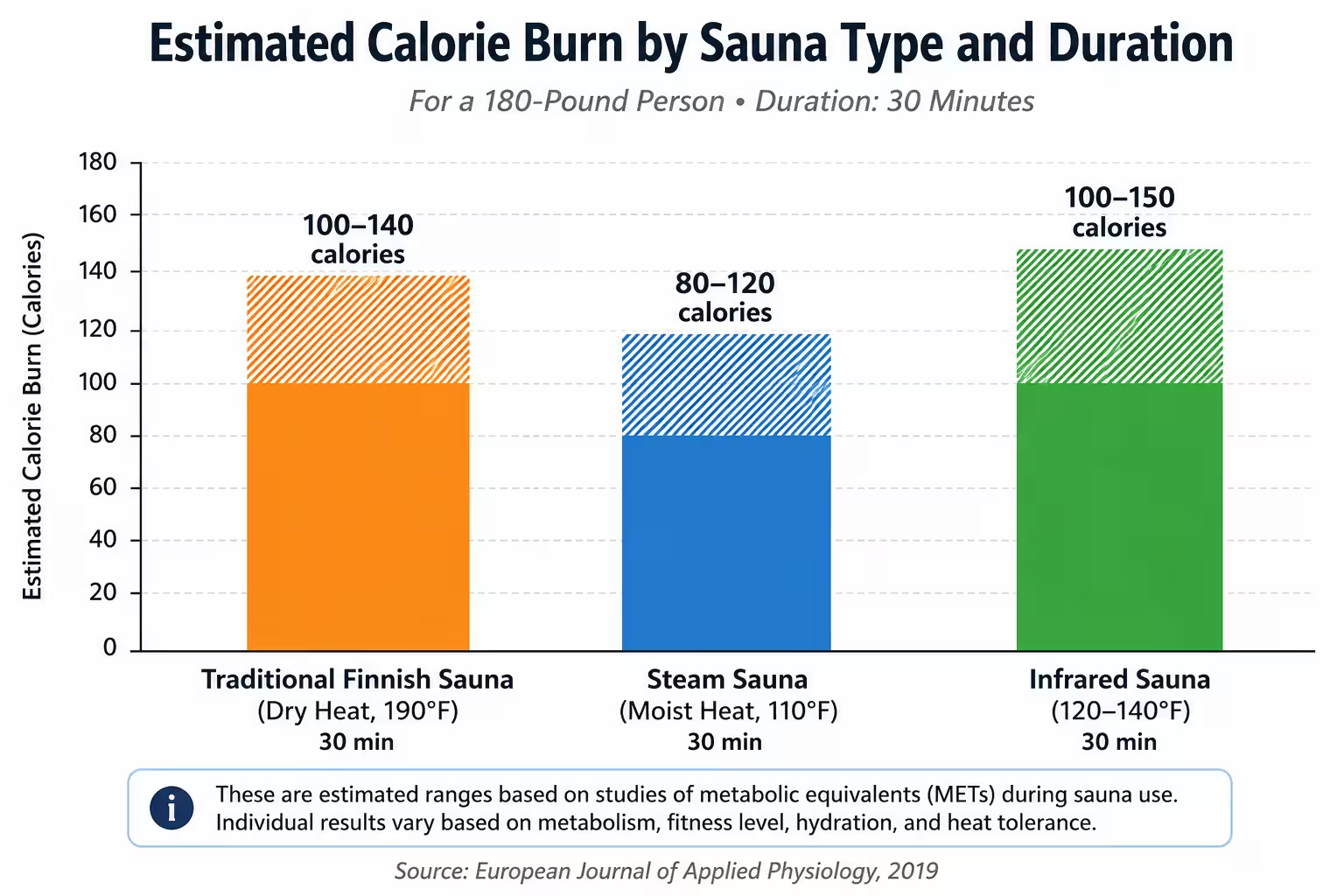
Researchers have quantified this effect. A 2019 study in the European Journal of Applied Physiology measured metabolic equivalents (METs) during sauna use and found values of 1.5-2.0, compared to 1.0 at rest. For a 180-pound individual, that translates to roughly 85-115 calories burned in 30 minutes. Factors like humidity, sauna type, and personal conditioning can shift these numbers. For example, a traditional Finnish sauna at 190°F typically yields a higher calorie burn than a steam bath at 110°F.
Below is a comparison of estimated calorie burn across sauna types for a 180-pound person. Keep in mind these are averages; individual results vary based on metabolism and heat tolerance.
| Sauna Type | Duration | Estimated Calorie Burn (for 180 lbs) |
|---|---|---|
| Traditional Finnish Sauna (dry heat, 190°F) | 30 min | 100-140 |
| Steam Sauna (moist heat, 110°F) | 30 min | 80-120 |
| Infrared Sauna (120-140°F) | 30 min | 100-150 |
Do Infrared Saunas Burn More Calories Than Traditional Saunas?
Infrared saunas may burn slightly more calories because they heat the body directly with radiant light, penetrating deeper into tissues. This causes a more pronounced thermoregulatory response, potentially increasing calorie expenditure. However, the difference is modest, and both types offer comparable health benefits.
Traditional saunas heat the air around you, which then warms your body through convection. Infrared panels, by contrast, emit light waves that directly heat your skin and subcutaneous tissue, raising core temperature more efficiently. This allows infrared saunas to operate at lower temperatures (120-140°F) while still inducing a strong sweating response. A 2016 pilot study in the Journal of Complementary and Integrative Medicine found that a 30-minute infrared session burned about 20-40% more calories than a traditional Finnish sauna at similar subjective heat stress, although the absolute difference was only around 30-50 calories.
Part of the appeal of infrared saunas for weight loss is the claimed “afterburn” effect. While the evidence is sparse, some users report a heightened metabolic state for hours post-session. More importantly, infrared saunas are often better tolerated by those who find high temperatures uncomfortable, making it easier to sauna consistently. For a detailed look at how to maximize these benefits, check out our guide on 9 science-backed benefits of sauna hats.
Is Sauna Weight Loss Just Water Weight?
In the short term, yes – sauna weight loss is almost entirely water weight. When you step out of the sauna, you’ve lost fluid, not fat. This weight returns as soon as you rehydrate. However, chronic sauna use may have subtle effects on metabolism and fat storage that go beyond simple water loss.
Sweat is comprised of 99% water and 1% electrolytes like sodium and potassium. A pound of body weight equals roughly 16 ounces of fluid, so a 2-pound loss means you sweated out about 32 ounces of water. That’s why wrestlers and boxers use saunas for acute weight cutting before weigh-ins – a tactic that involves severe dehydration and is not recommended for general weight loss.
Yet, the story doesn’t end with rehydration. Frequent sauna bathing has been linked to improved insulin sensitivity, which helps the body process carbohydrates more efficiently and may reduce fat storage. The Laukkanen et al. (2018) study observed that men who used the sauna 4-7 times per week had lower body fat percentages than less frequent users, even after adjusting for confounders. Additionally, reduced systemic inflammation – measured by lower C-reactive protein levels – could create a more favorable metabolic environment. For a schedule that optimizes these long-term effects, read how often you should sauna each week.
How Many Calories Can You Burn in a 30-Minute Sauna Session?
Depending on your weight, sauna temperature, and type, you can burn between 50 and 150 calories in 30 minutes. A 180-pound person might burn around 100 calories, while a lighter person burns less. These numbers are modest compared to exercise but can add up over time.
The caloric expenditure in a sauna is largely driven by increased heart rate and thermogenesis. The exact formula incorporates body mass and the MET value of the activity. For example, a 150-pound person in a traditional sauna with a MET of 1.5 would burn about 70 calories in 30 minutes, while a 200-pound person would burn about 95. If you extend your session to 45 minutes or use an infrared sauna with a MET closer to 2.0, the burn can exceed 150 calories for some individuals.
It’s important to note that these figures are additive: if you sauna 4 times a week, you could burn an extra 400-600 calories monthly. Over a year, that’s theoretically 2-3 pounds of fat, assuming you don’t compensate with extra food. But the real benefit is not the passive burn – it’s the way sauna helps you recover from workouts, enabling you to exercise more consistently. For tips on creating an effective sauna habit, see our science-backed weekly sauna schedule.
Can Sauna Use Support Long-Term Weight Loss?
Regular sauna use can support long-term weight loss indirectly by improving metabolic health, reducing stress, and enhancing recovery from exercise. Studies have linked frequent sauna bathing with lower levels of body fat in both men and women, likely due to a combination of physiological and behavioral factors.
One key mechanism is improved insulin sensitivity. A 2018 study in the Journal of Clinical Endocrinology & Metabolism found that a single sauna session could lower blood glucose and insulin levels, effects that persist with repeated exposure. Over time, better glycemic control reduces the likelihood of fat accumulation, especially visceral fat. Additionally, sauna-induced reductions in cortisol can curb stress-fueled cravings and emotional eating (Source: Psychosomatic Medicine, 2017).
Sleep quality also plays a role. Post-sauna cooling promotes deeper sleep, and poor sleep is a known risk factor for weight gain. A 2019 analysis in Sleep Health showed that regular sauna users reported higher sleep efficiency and duration. When combined, these factors create a positive feedback loop: less stress, better sleep, improved metabolism, and more energy for exercise. For a complete overview of how to harness these benefits, explore our guide on proven benefits of wearing a sauna hat.
What Are the Risks of Using a Sauna for Weight Loss?
Using a sauna solely for weight loss carries risks like dehydration, overheating, and electrolyte imbalance. Extreme sessions can lead to heat stroke or fainting. It’s crucial to stay hydrated, limit time to 15-20 minutes for beginners, and avoid alcohol before or after. Sauna is not a substitute for a healthy lifestyle.
Dehydration is the most immediate risk. Fluid loss exceeding 2% of body weight can impair cognitive and physical performance, and losses above 5% can be dangerous. Warning signs include dizziness, headache, and muscle cramps. To mitigate this, drink water before, during, and after your session, and consider electrolyte supplements if you sauna frequently. The American College of Sports Medicine advises consuming 16-20 ounces of fluid for every pound lost during exercise – a guideline that applies to sauna use as well.
Individuals with cardiovascular conditions should exercise caution. The heat stress can increase heart rate to 100-150 beats per minute, which is fine for healthy adults but risky for those with heart disease. Pregnant women, people taking certain medications, and those prone to low blood pressure should consult a doctor first. Wearing appropriate attire, like a merino wool sauna hat, can help regulate temperature and prevent overheating. Our Premium Wool Felt Sauna Hat is designed to keep your head cool while standing up to high heat, allowing for a safer, more comfortable session. For more on what to wear, see our complete sauna dress code guide.
How to Maximize Weight Loss Benefits from Sauna Sessions
To get the most out of sauna for weight loss, combine it with a balanced diet and exercise, use it consistently (3-4 times per week), and incorporate cold exposure or contrast therapy to boost metabolic effects. Hydrate with electrolytes and listen to your body to avoid overstressing it.
Timing matters. Using the sauna after a workout can amplify calorie burn and aid muscle recovery. The post-exercise period already has an elevated metabolic rate, and adding heat stress may prolong that window. Some research suggests that heat shock proteins, activated by sauna heat, help repair micro-tears in muscles, making you more likely to exercise again soon.
Contrast therapy – alternating between hot sauna and cold plunges – has roots in Nordic tradition and may stimulate brown adipose tissue (BAT), which burns calories for heat. A 2014 study in Diabetes found that cold exposure increased BAT activity by 15-20%, and while sauna heat doesn’t directly activate BAT, the shock of cold after heat may provide a synergistic effect. To extend your time in the sauna and reap more rewards, consider wearing a high-quality sauna hat. The Classic Merino Wool Sauna Hat offers premium heat protection, enabling longer, uninterrupted sessions.
Sauna vs. Exercise: Which Burns More Calories?
Exercise burns far more calories than a sauna. A 30-minute run can burn 300-500 calories, while a sauna session burns around 100. The advantage of sauna is that it provides passive calorie burn and can aid recovery, making it easier to maintain an active lifestyle, but it should never replace physical activity.
Bar chart comparing calories burned in 30 minutes across sauna and exercise activities for a 180 lb person
Estimated calories burned per 30-minute session for a 180 lb (82 kg) person. Exercise values based on MET 6–12; sauna values based on MET 1.5–2.0. Individual results vary by fitness level and intensity.
The metabolic intensity of running, cycling, or swimming (METs of 8-12) dwarfs that of sauna sitting (MET 1.5-2). Yet, sauna can complement exercise in a powerful way. For instance, a 2019 study in the Journal of Science and Medicine in Sport reported that post-exercise sauna bathing doubled the growth hormone release compared to passive recovery, which can aid muscle repair and fat metabolism. This makes sauna an ideal addition to a weight-loss routine for active individuals. For another perspective on sauna’s healing potential, read is a sauna good for a cold?.
Can Wearing a Sauna Hat Enhance Weight Loss?
A sauna hat won’t directly burn more calories, but by keeping your head cool and comfortable, it may allow you to extend your session, indirectly increasing calorie expenditure. It also protects your hair and scalp from heat damage, making it easier to sauna regularly without discomfort.
Heat rises, and the head is the highest point in the sauna, often exposed to temperatures upwards of 200°F. Without protection, the sensation of intense heat on the scalp can force you to cut sessions short. A thick wool sauna hat acts as an insulator, holding a cooler air pocket around your head and reducing the urge to leave. Ten extra minutes per session, four times a week, could mean an additional 200+ calories burned monthly – enough to account for a small weight adjustment over a year.
Beyond comfort, a hat preserves hair moisture and prevents breakage, which matters if you sauna frequently. The psychological benefit is also notable: feeling comfortable encourages consistency, the real secret to long-term weight management. Our Premium Wool Bucket Hat combines style and function, so you can build a sustainable sauna habit. For a full overview of how hats improve your experience, read what is a sauna hat?.
Frequently Asked Questions About Sauna and Weight Loss
Does a sauna help lose belly fat?
Sauna doesn’t target belly fat specifically. It can aid overall weight loss through calorie burn and metabolic improvements, but spot reduction is a myth. A combination of diet, full-body exercise, and consistent sauna use is the best approach to reduce belly fat over time.
How long should I sit in a sauna to lose weight?
Start with 10-15 minutes and gradually increase to 20-30 minutes. Consistency matters more than duration for long-term benefits. Most people see the best results when sauna sessions are combined with a healthy lifestyle, not used as a standalone weight-loss tool.
Is it safe to use a sauna every day for weight loss?
Many people safely use a sauna daily, but it’s important to listen to your body, stay hydrated, and avoid excessive heat stress. If you have any pre-existing health conditions, consult a doctor first. Daily use can be beneficial if you’re well adapted and take proper precautions.
Can sauna help with water retention and bloating?
Yes, sauna can reduce water retention temporarily by promoting sweating. It may provide relief from bloating, especially for those with mild fluid retention. However, the effect is short-lived, and the water weight returns after rehydration.
Will I lose weight if I go in the sauna every day?
You may see a lower number on the scale due to water loss, but that is not true fat loss. For meaningful, sustainable weight loss, sauna must be paired with a calorie-controlled diet and regular exercise. Over time, the indirect benefits of daily sauna use can support your weight-loss journey.
Putting It All Together: Sauna and Weight Loss
Sauna is a powerful wellness tool, but it works best as part of a holistic strategy. The “weight loss” you see on the scale after a session is predominantly water, but the long-term metabolic benefits – improved insulin sensitivity, reduced inflammation, better sleep – can genuinely move the needle. When combined with exercise and mindful nutrition, regular sauna use can help you build a healthier, leaner body.
To keep your sessions safe and effective, invest in quality gear. A Classic Merino Wool Sauna Hat will keep you comfortable for those extra ten minutes that make a difference. Plus, be sure to explore our related guides for more insights:
- How Hot Is a Sauna? Temperature Guide for Every Sauna Type
- 9 Proven Benefits of Wearing a Sauna Hat
- What to Wear in a Sauna: The Complete Dress Code Guide
- What Is a Sauna Hat? The Complete Beginner’s Guide
- How Often Should You Sauna? The Science-Backed Weekly Schedule
- Is a Sauna Good for a Cold? What Science Actually Says
Topics
Crafted from 100% natural wool felt for thermal protection.

Written by
Erik Virtanen
Erik grew up with the sauna as a weekly ritual. He writes about heat therapy, Nordic wellness traditions, and the art of slowing down.
More from the Journal

How Often Should You Sauna? The Science-Backed Weekly Schedule
How Often Should You Sauna? How Often Should You Use a Sauna Per Week? The...

Sauna and Cancer: Can Regular Sessions Lower Your Risk?
Emerging research suggests that regular sauna use may lower the risk of certain cancers through...

How Many Calories Do You Burn in a Sauna? (Real Numbers)
A typical 30-minute sauna session burns approximately 300-500 calories, though this varies by temperature, duration,...