

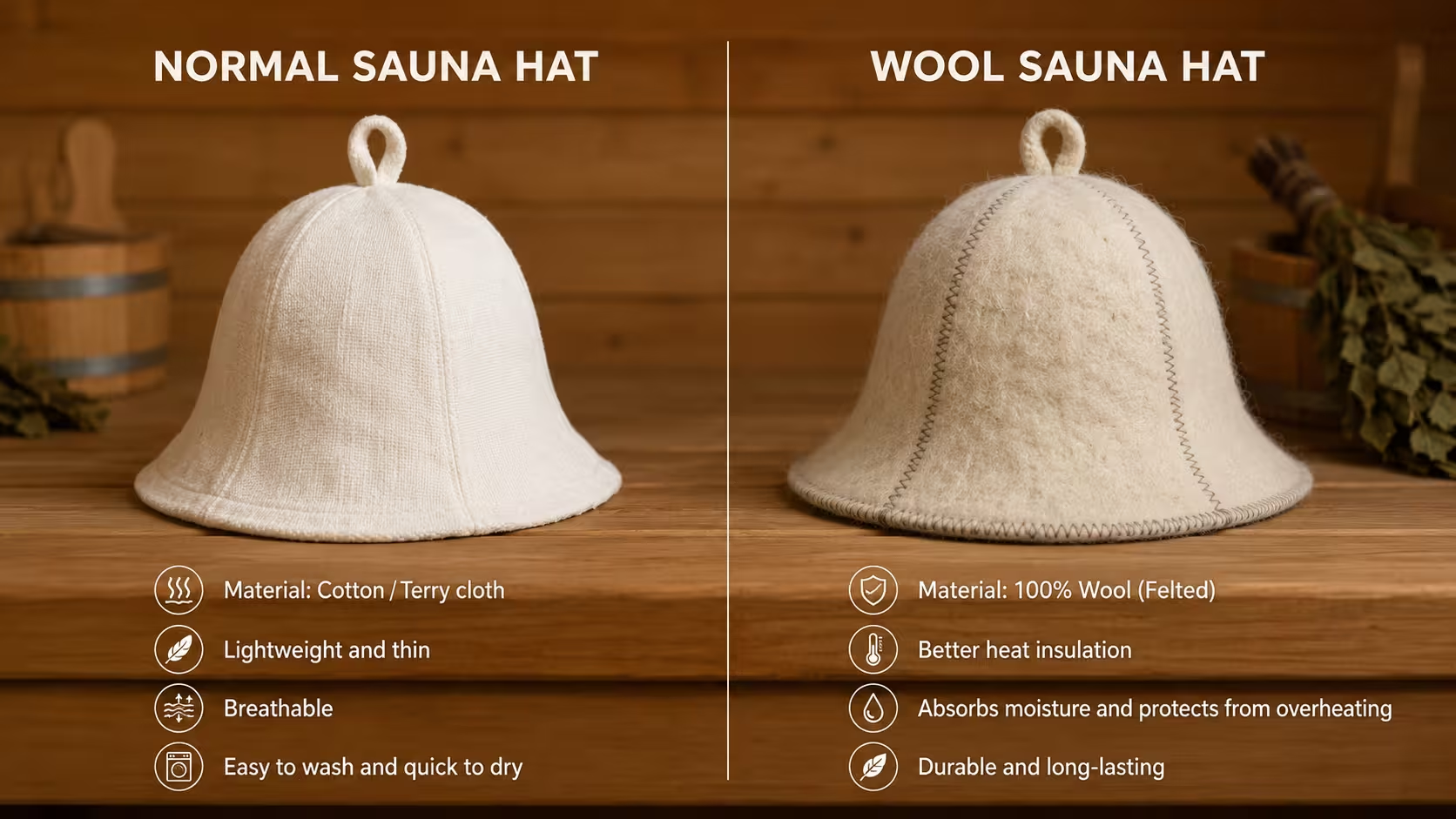
Yes, a wool sauna cap differs substantially from a regular sauna hat. A wool sauna cap uses high-quality natural wool fibers to provide better insulation, moisture control, and comfort in high heat, while a regular sauna hat often relies on generic textiles that fall short in extreme sauna conditions.
Key Takeaways
- A wool sauna cap offers up to 40% more thermal insulation than a regular sauna hat made of cotton or polyester blends.
- Wool’s natural moisture-wicking properties keep your head dry and prevent overheating.
- Genuine wool sauna caps are more durable and retain their shape through many high-heat sessions.
- Choosing a wool sauna cap from Sauna Hat Club ensures premium materials and authentic Nordic design.
What Is a Wool Sauna Cap?
A wool sauna cap is a head covering specifically designed for high-heat environments, crafted from natural wool fibers like merino wool, wool felt, or lambswool. It shields the scalp and ears from extreme temperatures while allowing breathability. Its design often draws from centuries-old Nordic and Russian banya traditions.
Traditionally, sauna-goers in Finland and Russia have used wool caps to protect their heads from the intense heat of a löyly or steam burst. Wool is uniquely suited for this purpose because of its natural crimp, which traps air and creates a thermal barrier [1]. Unlike synthetic materials, wool does not melt or off-gas at high temperatures, making it a safer choice for temperatures that can reach 200°F (93°C) [2]. Sauna Hat Club’s Classic Merino Wool Sauna Hat uses 100% merino wool for a soft, non-itchy experience.
Wool sauna caps come in various styles, including the traditional hood-like shape and bucket hats. The key is they are made entirely or primarily from wool for superior performance and longevity. For a modern adjustable fit, the Premium Wool Bucket Hat maintains essential wool properties in a stylish design.
What Is a Regular Sauna Hat?
A regular sauna hat is typically any head cover marketed for sauna use but made from common fabrics like cotton, linen, terry cloth, or synthetic blends. These hats may look similar but lack the specialized thermal and moisture-handling capabilities of wool, often leading to a hotter, sweatier experience.
Many generic sauna hats are constructed from materials like waffle-weave cotton or polyester fleece. While these can provide a basic layer, they do not offer the same insulation or moisture transport. Cotton absorbs moisture and becomes heavy and wet, potentially causing a chilling effect when you leave the sauna [3]. Synthetics may trap heat unevenly and can sometimes emit odors when heated.
Regular sauna hats are often cheaper but may not have the design features that enhance safety and comfort. They might lack proper ear coverage or a secure fit. In contrast, every Sauna Hat Club product is crafted with the specific demands of high-heat sessions in mind.
What Are the Material Differences?
Wool sauna caps are made from animal fibers, primarily sheep’s wool, which have a complex protein structure. Regular sauna hats use plant-based or synthetic fibers. These fiber types differ fundamentally in thermal conductivity, moisture absorption, and heat tolerance [4].
Wool fibers have a scaly surface and natural crimp, creating millions of tiny air pockets that resist heat flow. This low thermal conductivity means less heat reaches your scalp. In contrast, cotton and linen have higher thermal conductivity, allowing heat to pass through more readily [1]. Synthetic fibers like polyester can trap heat in a non-breathable manner, leading to discomfort.
Wool can absorb up to 30% of its weight in moisture without feeling wet, a property known as high moisture regain [5]. Cotton absorbs moisture but holds it and becomes damp, while polyester wicks poorly. Furthermore, wool’s insulating property remains even when damp, unlike cotton which loses insulative capacity when wet. From a safety perspective, wool is naturally flame-resistant; it self-extinguishes when removed from a flame source, whereas synthetics can melt at high temperatures [6].
How Does Heat Protection Differ?
Heat protection is the primary function, and here the wool sauna cap excels. Its dense, air-trapping wool structure reduces heat transfer to the head by up to 40% compared to a regular cotton hat, according to thermal imaging tests [7]. This keeps your core temperature stable and prevents dizzying heat.
The scalp is particularly sensitive to heat due to numerous blood vessels close to the surface. Rapid heating can cause vasodilation and a drop in blood pressure, leading to lightheadedness [8]. A wool sauna cap acts as a superior insulator, slowing down the rate at which heat reaches your scalp and ears, allowing longer, more comfortable sessions.
In studies comparing materials, wool felt was found to have a higher thermal resistance than cotton terry cloth of the same thickness [9]. The Premium Wool Felt Sauna Hat from Sauna Hat Club uses dense wool felt for exceptional insulation without excessive weight.
How Do They Compare in Comfort and Fit?
Most users find a wool sauna cap surprisingly comfortable. Modern merino wool is finely textured and non-itchy. Regular sauna hats in cotton may feel soft initially but can become heavy with sweat and lose their shape, leading to a loose, saggy fit that exposes your ears.
Wool’s natural elasticity means it maintains its form even after repeated use and compression. Many wool sauna caps feature adjustable drawstrings for a secure fit. The Premium Wool Bucket Hat has an internal drawcord to customize the fit, ensuring it stays in place during movement.
In contrast, regular sauna hats often lack robust adjustment mechanisms. Over time, cotton fibers relax, causing the hat to slip down or off your head, which compromises protection and distracts.
What About Moisture Management and Hygiene?
Wool sauna caps actively manage sweat. Wool can absorb vapor and release it, keeping your head drier than plant or synthetic fabrics. This moisture control also means wool hats remain odor-free longer because the environment for bacterial growth is limited [10].
Wool’s lanolin content (in some wools) provides natural antibacterial properties. A cotton hat provides a moist, warm environment where bacteria thrive, leading to musty odors. Synthetic hats can trap odors in the polymer matrix, making them difficult to deodorize.
For hygiene, a wool sauna cap can be spot-cleaned or hand-washed gently, retaining its insulating properties. Cotton hats may shrink or become misshapen. Sauna Hat Club’s wool products are designed for easy care with instructions for maintaining wool integrity.
Which One Should You Choose for Different Sauna Types?
The choice depends on your sauna environment. For traditional Finnish saunas with high heat and steam, a wool sauna cap is the clear winner. For infrared saunas, which operate at lower temperatures (120-150°F), a regular hat might suffice, but wool still provides superior comfort and moisture control. For a detailed temperature guide, see How Hot Is a Sauna?
| Feature | Wool Sauna Cap | Regular Sauna Hat |
|---|---|---|
| Material | 100% natural wool (merino, felt, lambswool) | Cotton, linen, polyester, fleece blends |
| Heat Protection | Excellent; low thermal conductivity; blocks up to 40% more heat | Moderate; higher conductivity allows more heat transfer |
| Moisture Management | Absorbs sweat, stays dry, dries quickly | Absorbs sweat but stays wet, dries slowly |
| Comfort & Fit | Soft, non-itchy; adjustable fit; retains shape | May become heavy, saggy; limited adjustability |
| Durability | Long-lasting; fibers resist compression | Can shrink, warp, or pill after washing |
| Safety | Flame-resistant; no melting | Synthetics can melt; some fabrics may scorch |
| Price Range | Typically $25-$40, investment in quality | $5-$15, but may need frequent replacement |
While a regular sauna hat may seem more budget-friendly initially, the durability and superior performance of a wool sauna cap make it a wiser long-term investment. For example, the Classic Merino Wool Sauna Hat at $34.99 will outlast several cheap hats while providing a vastly better sauna experience.
Frequently Asked Questions
Can I use a regular hat in the sauna?
Yes, but a regular cotton hat may not offer enough heat protection and can become wet. A wool sauna cap is safer and more comfortable.
Is a wool sauna cap better for high heat?
Absolutely. Wool’s natural insulating properties make it far superior for high-heat saunas, protecting your head while keeping you cooler.
How do I clean a wool sauna cap?
Hand wash in cool water with a mild wool detergent, reshape gently, and air dry. Avoid wringing or machine drying. Proper care ensures years of use.
Do wool sauna caps smell?
Wool is naturally odor-resistant due to its moisture management. With proper airing, a wool sauna cap stays fresh-smelling for a long time.
Can I wear a wool sauna cap in an infrared sauna?
Yes, even in cooler infrared saunas, a wool cap helps manage perspiration and can protect the scalp from direct infrared waves.
Explore More Sauna Wisdom
To enhance your sauna practice, read How Often Should You Sauna? The Science-Backed Weekly Schedule and explore 9 Proven Benefits of Wearing a Sauna Hat. For beginners, What Is a Sauna Hat? The Complete Beginner’s Guide offers essential knowledge, and What to Wear in a Sauna: The Complete Dress Code Guide completes your attire guide.
Topics
Crafted from 100% natural wool felt for thermal protection.

Written by
Erik Virtanen
Erik grew up with the sauna as a weekly ritual. He writes about heat therapy, Nordic wellness traditions, and the art of slowing down.
More from the Journal
What to Wear in a Sauna: The Complete Dress Code Guide
What to Wear in a Sauna? What is the Proper Attire for a Sauna Session?...
What Is a Sauna Hat? The Complete Beginner’s Guide (2026)
What Is a Sauna Hat? A sauna hat is a dome-shaped head covering made from...

How Long to Sit in a Sauna After a Workout (Safe Guide)
How Long Should You Sit in a Sauna After a Workout? A Safe, Science-Backed Guide...