

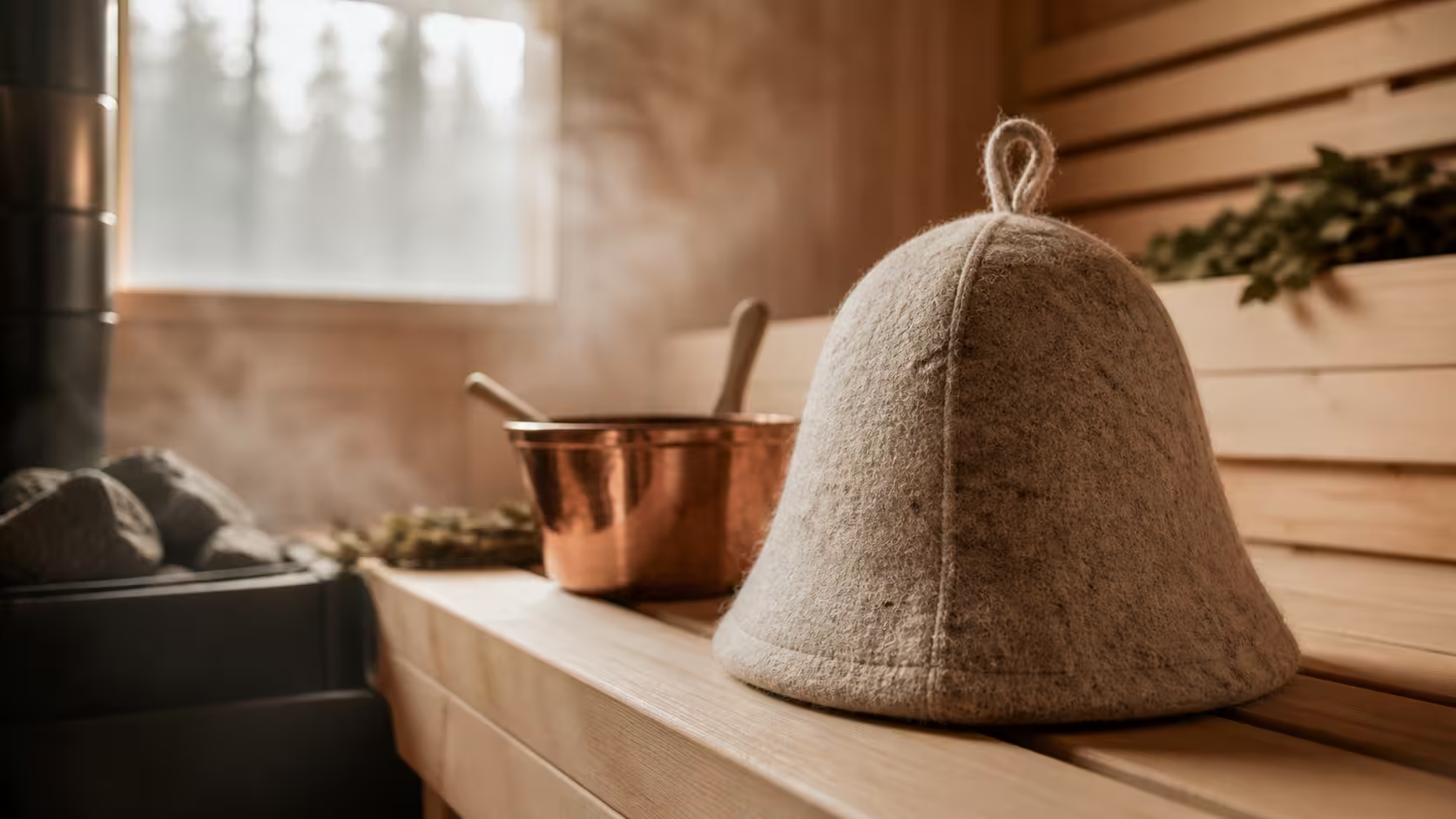
What Is a Sauna Hat?
A sauna hat is a dome-shaped head covering made from thick natural wool, designed to insulate your scalp, ears, and hair from the extreme heat inside a sauna. Finnish and Russian bathers have used sauna hats for centuries as essential bathing equipment – not decorative accessories. The hat creates a thermal barrier between your head and the hottest air layer near the sauna ceiling.
In a traditional Finnish sauna operating between 80–100°C (175–212°F), air temperature stratifies vertically. The air near the ceiling can be 20–30°C hotter than at bench level. Since your head sits closest to this heat concentration, it absorbs a disproportionate amount of thermal energy – and a sauna hat counteracts this by slowing heat transfer to the scalp.
Sauna hats are standard equipment in Finnish saunas, Russian banyas, Estonian steam rooms, and increasingly in wellness facilities across North America and Europe. They are one of the oldest and simplest tools in sauna culture.
Where Did Sauna Hats Originate?
Sauna hats trace their origins to Finnish and Russian bathhouse traditions, where they have been used for an estimated 200–300 years as practical head insulation during prolonged heat exposure. In Finland – a country with approximately 3.3 million saunas for a population of 5.5 million – the sauna hat is considered a natural extension of the bathing ritual.
In Russian banya culture, thick felt hats (shapka dlya bani) are nearly universal. The Russian bathhouse operates at extremely high humidity levels combined with temperatures exceeding 100°C, making unprotected head exposure uncomfortable and potentially unsafe during extended sessions.
The practice spread through the Baltic states, Central Europe, and Scandinavia before reaching North America and Asia in the early 2000s. Today, Sauna Hat Club continues this centuries-old tradition by crafting sauna hats from 100% natural wool – the same material that Nordic bathers have trusted for generations.
How Does a Sauna Hat Work Scientifically?
A sauna hat works by exploiting wool’s natural thermal insulation properties to slow the rate of heat transfer from the surrounding air to your scalp and skull. Wool fiber contains microscopic air pockets that trap a layer of still air against your head, creating a buffer zone that reduces conductive and convective heat absorption.
The physics is straightforward. Wool has a thermal conductivity of approximately 0.04 W/(m·K) – comparable to commercial building insulation materials and significantly lower than the surrounding hot air. This means the hat slows the rate at which your head reaches the ambient sauna temperature, giving you more time before the onset of discomfort.
There is also a moisture management component. Wool can absorb up to 30% of its own weight in water vapor without feeling wet, which means the hat wicks perspiration from your scalp while maintaining its insulation capacity. Synthetic materials lose their insulating properties when saturated with sweat – wool does not.
What Are the Benefits of Wearing a Sauna Hat?
Wearing a sauna hat provides measurable thermal protection for your head, extends comfortable session duration, and reduces the physiological stress of intense heat exposure on the brain and scalp. These are not theoretical benefits – they are the direct result of insulating the body part most exposed to peak sauna temperatures.
Here are the primary benefits, organized by category:
Thermal Protection
- Shields your scalp and ears from the hottest air layer (20–30°C hotter near the ceiling)
- Slows heat transfer to the skull, reducing the risk of overheating and lightheadedness
- Allows you to sit on higher benches – where therapeutic heat is most concentrated – without head discomfort
Hair and Skin Protection
- Prevents heat-induced dryness, brittleness, and breakage in hair
- Reduces moisture loss from the scalp, which is especially important for color-treated or chemically processed hair
- Protects the delicate skin of the ears from repeated heat exposure
Extended Session Duration
- By keeping your head cooler relative to your body, a sauna hat can extend comfortable session length by several minutes
- Longer sessions are associated with greater health benefits – the Laukkanen KIHD study found that sessions exceeding 19 minutes were linked to a 52% lower risk of sudden cardiac death compared to sessions under 11 minutes
Comfort and Focus
- Reduces the “head pressure” sensation many bathers feel during high-temperature sessions
- Creates a more meditative, focused sauna experience – especially during sessions at 90°C and above
For more on the health benefits of regular sauna use, see our guide: How Often Should You Sauna? The Science-Backed Weekly Schedule.
Which Sauna Hat Material Is Best: Wool Felt vs. Wool vs. Merino?
The three most common sauna hat materials are wool felt, standard wool, and merino wool – each offering a different balance of thermal insulation, durability, softness, and moisture management. The best material depends on your session frequency, skin sensitivity, and personal preference. All three outperform synthetic alternatives in heat resistance and breathability.
| Feature | Wool Felt | Standard Wool | Merino Wool |
|---|---|---|---|
| Thermal Insulation | Excellent – dense fiber structure | Very Good – natural air pockets | Very Good – fine fiber traps air |
| Durability | Highest – holds shape for years | High – resilient construction | Moderate – finer fiber is softer but less rigid |
| Softness | Structured, firm feel | Moderate softness | Softest – ideal for sensitive skin |
| Moisture Wicking | Very Good | Good | Excellent – absorbs up to 30% of its weight |
| Fiber Diameter | 25–30 microns | 20–28 microns | 15–19 microns (ultra-fine) |
| Best For | Frequent users who want long-lasting form | Everyday reliability and classic aesthetics | Sensitive skin, daily use, maximum comfort |
| Sauna Hat Club Product | Wool Felt Sauna Hat | Premium Wool Bucket Hat | Merino Wool Sauna Hat |
Key takeaway: All three materials are 100% natural, heat-resistant, and breathable. Wool felt is the most durable and structured. Merino wool is the softest and most comfortable against skin. Standard wool offers a balanced middle ground.
Why Should You Avoid Synthetic Sauna Hats?
Synthetic materials (polyester, nylon, acrylic) are unsuitable for sauna use because they lose insulating capacity when saturated with sweat, can release volatile compounds at high temperatures, and do not breathe effectively. Cotton is marginally better but absorbs moisture rapidly, becomes heavy, and provides significantly less thermal insulation than wool.
Wool is the only widely available fiber that maintains its insulating properties when wet, resists odor-causing bacteria naturally, and tolerates temperatures up to 230°C (446°F) before scorching. This is why sauna hats have been made from wool for centuries – no modern synthetic has matched its performance in high-heat, high-humidity environments.
How Do You Choose the Right Sauna Hat?
Choosing the right sauna hat depends on three factors: how often you sauna, how sensitive your skin is, and whether you prefer a structured or relaxed fit. There is no single “best” sauna hat – the right choice is the one that matches your usage pattern and comfort preferences.
Choose based on your profile:
- If you sauna 3+ times per week and want lasting structure: The Wool Felt Sauna Hat is built from 4.2mm natural felt that holds its shape session after session. This is the workhorse of sauna hats – dense, durable, and designed for frequent use.
- If you want a relaxed, casual fit with premium insulation: The Premium Wool Bucket Hat delivers the same thermal protection in a softer, more laid-back silhouette. It sits comfortably without feeling rigid – an excellent choice for bathers who prefer a natural aesthetic.
- If you have sensitive skin or sauna daily: The Merino Wool Sauna Hat uses ultra-fine merino fiber (15–19 microns) that is noticeably softer and less scratchy than standard wool. Ideal for long sessions and daily users who prioritize comfort above all.
Fit guidelines: A sauna hat should cover the top of your head, your ears, and extend slightly down the forehead. It should fit snugly enough to stay in place when you tilt your head, but not so tight that it creates pressure. Wool will soften and conform to your head shape over the first 3–5 uses.
What Mistakes Do Beginners Make With Sauna Hats?
The most common mistake is not wearing a sauna hat at all – many beginners don’t realize that head protection is a standard practice in Finnish and Russian sauna culture. Beyond that, several other errors reduce comfort and shorten hat lifespan.
| Mistake | Why It Matters | Correct Approach |
|---|---|---|
| Not wearing a sauna hat | Head absorbs the most intense heat; increases risk of overheating and lightheadedness | Wear a wool sauna hat in every session |
| Using a cotton towel instead | Cotton absorbs sweat rapidly, loses insulation, and becomes heavy | Use a hat made from 100% natural wool |
| Machine washing a wool hat | Agitation and hot water cause felting, shrinkage, and deformation | Hand wash in cold water with mild soap; air dry flat |
| Choosing synthetic materials | Synthetics don’t breathe, lose insulation when wet, and may off-gas at high heat | Choose natural wool, wool felt, or merino wool |
| Wearing the hat too loose | A loose hat slides off, doesn’t insulate effectively, and is distracting | Ensure snug, comfortable coverage over ears and crown |
| Leaving the hat in the sauna | Prolonged heat exposure between sessions degrades the wool fibers over time | Remove, allow to air dry, and store in a cool, dry place |
What Is Proper Sauna Etiquette for Wearing a Sauna Hat?
Sauna hat etiquette varies by region, but the universal rule is simple: wearing a sauna hat is always acceptable and typically respected as a sign of experienced bathing practice. In Finland, Estonia, Russia, and Germany, sauna hats are common and expected in serious sauna settings.
Regional etiquette overview:
- Finland: Sauna hats are standard equipment. Public and private saunas both accommodate hat use. Silence or quiet conversation is typical.
- Russia (banya): Felt hats are nearly universal. It is unusual to enter a banya without head covering. Hats are often personalized or gifted.
- Germany (Aufguss culture): Sauna hats are welcomed during organized pouring rituals. Many facilities sell or rent them at reception.
- North America: Sauna hats are less common but gaining adoption rapidly. Wearing one may prompt conversation – an opportunity to share the tradition.
Usage tips for every session:
- Put the sauna hat on before entering the sauna, not after.
- Ensure it covers your ears – ears are among the most heat-sensitive body parts.
- If the hat feels uncomfortable at first, give it 3–5 sessions to conform to your head shape.
- Pair your sauna hat with proper hydration – drink 500ml of water before and after each session.
If you’re building a regular sauna habit, our guide to how often you should sauna covers science-backed scheduling for beginners through advanced bathers.
How Do You Clean and Maintain a Wool Sauna Hat?
A wool sauna hat requires minimal maintenance and will last for years with proper care. The key is to avoid machine washing, high-heat drying, and prolonged storage in damp conditions – all of which accelerate wool fiber degradation.
Cleaning protocol:
- After each session: Shake off excess moisture and reshape the hat by hand. Place it on a flat surface or a rounded object (like a bowl) to air dry at room temperature.
- Weekly (if used frequently): Rinse under cool running water. Gently squeeze – never wring – to remove excess moisture. Air dry flat, away from direct sunlight.
- Monthly (or as needed): Hand wash in cool water with a small amount of wool-specific detergent or mild soap. Soak for 5–10 minutes, gently agitate, rinse thoroughly in cool water. Reshape and air dry flat.
What to avoid:
- Machine washing (causes irreversible felting and shrinkage)
- Tumble drying (heat warps wool fiber permanently)
- Wringing or twisting (distorts the hat’s shape)
- Bleach or harsh detergents (strip natural lanolin, which provides water resistance)
- Storing while damp (promotes mildew and odor)
Natural wool has inherent antimicrobial properties – the lanolin in wool fiber resists bacteria growth and odor accumulation. This is why wool sauna hats require far less washing than cotton or synthetic alternatives.
Can a Sauna Hat Help if You’re Getting Sick?
A sauna hat protects your head from thermal extremes, but it does not prevent or treat illness on its own. However, by keeping your head at a more comfortable temperature, a sauna hat may allow you to take shorter, gentler sauna sessions during the early stages of a cold – when moderate heat exposure may support immune response.
For a detailed look at whether sauna use is safe and beneficial when you’re coming down with something, read our article: Is a Sauna Good for a Cold? What Science Actually Says.
Important: If you have a fever, skip the sauna entirely. Your core body temperature is already elevated, and adding external heat places additional cardiovascular strain on your body.
Frequently Asked Questions
Do You Really Need a Sauna Hat?
A sauna hat is not mandatory, but it is strongly recommended – especially for sessions at 80°C (175°F) and above or lasting longer than 15 minutes. Without head protection, your scalp absorbs the most concentrated heat in the sauna (20–30°C hotter at ceiling height than bench level), which accelerates overheating and limits session duration. Finnish and Russian bathers have considered sauna hats essential equipment for centuries.
What Is the Best Material for a Sauna Hat?
The best sauna hat material is 100% natural wool – specifically wool felt for maximum durability, or merino wool for maximum softness. Wool is the only widely available fiber that insulates effectively when wet, tolerates sauna temperatures up to 230°C (446°F), and naturally resists odor-causing bacteria. Avoid synthetic materials, which lose insulation capacity when saturated with sweat and may release volatile compounds at high temperatures.
Can You Use a Sauna Hat in an Infrared Sauna?
Yes. Although infrared saunas operate at lower air temperatures (50–65°C / 120–150°F) than traditional Finnish saunas, the infrared panels emit radiant heat that can still affect exposed scalp and hair. A wool sauna hat provides a layer of protection against this direct radiant energy. It is also useful for bathers who find that even moderate heat causes scalp discomfort or hair dryness.
How Long Does a Wool Sauna Hat Last?
A well-maintained wool sauna hat typically lasts 2–5 years with regular use (3–5 sessions per week). Wool felt hats tend to last the longest due to their dense fiber structure. Merino wool hats are softer but may show wear sooner if used daily without proper drying between sessions. The primary factors that shorten lifespan are machine washing, high-heat drying, and storing the hat while still damp.
Crafted from 100% natural wool felt for thermal protection.

Written by
Erik Virtanen
Erik grew up with the sauna as a weekly ritual. He writes about heat therapy, Nordic wellness traditions, and the art of slowing down.
More from the Journal
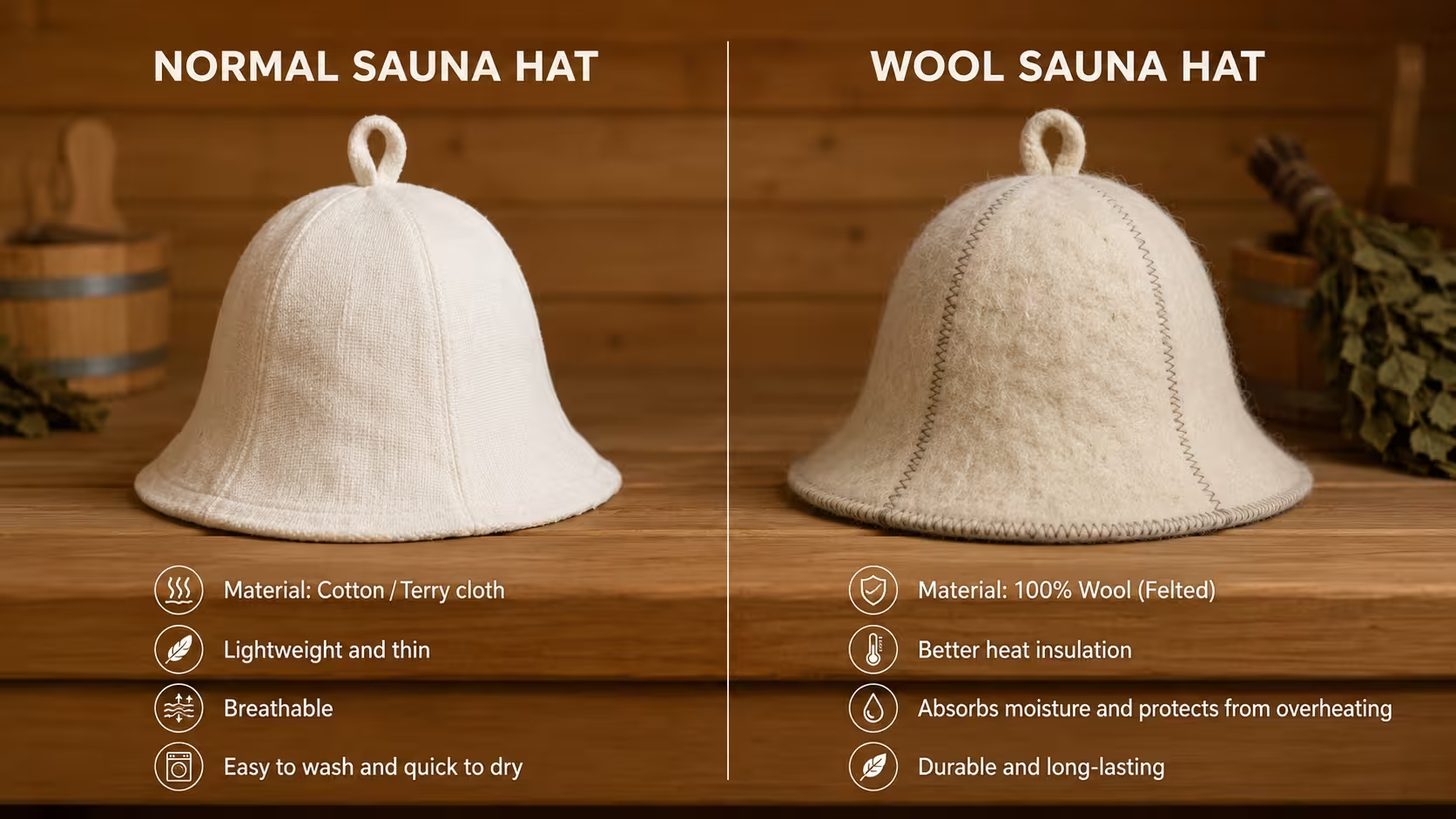
Wool Sauna Cap vs. Regular Sauna Hat: Is There a Difference?
Yes, a wool sauna cap differs substantially from a regular sauna hat. A wool sauna...

Does a Sauna Help with Inflammation? Research-Backed Answer
Yes, a sauna can help reduce inflammation. Multiple studies show that regular sauna use lowers...

Sauna and Cancer: Can Regular Sessions Lower Your Risk?
Emerging research suggests that regular sauna use may lower the risk of certain cancers through...