


You feel it creeping in. That familiar scratchy throat, the foggy head, the fatigue that tells you a cold is settling in. You glance over at your sauna and wonder: Should I hop in and sweat this thing out?
The idea of using heat to fight illness is ancient. Finnish families have relied on the sauna for centuries as a cold-season ritual. But does the science actually back it up, or is “sweating out a cold” just a comforting myth?
The honest answer is: it depends. And we’re going to break it all down for you.
Can You Actually “Sweat Out” a Cold?
Let’s address the biggest misconception first: you cannot sweat a virus out of your body.
Your sweat glands have one job: temperature regulation. They don’t filter or expel viruses. Your immune system is the only thing fighting the infection, not your sweat. No amount of heat will physically flush a cold virus from your system.
That said, dismissing saunas entirely when you’re under the weather would also be wrong. There’s a meaningful difference between curing a cold and supporting your body while it fights one, and that’s where saunas can genuinely help.
What the Science Says: Prevention vs. Treatmen
Here’s the key distinction the research makes, and it’s an important one.
Strong Evidence: Saunas Help Prevent Colds
The most well-known study on this topic was published in the Annals of Medicine in 1990 by Ernst and colleagues. Fifty volunteers were split into two groups: 25 used a sauna one to two times per week, and 25 did not. Over six months, the sauna group experienced significantly fewer colds, with cold frequency nearly cut in half during the final three months compared to the control group.
Notably, the protective effect didn’t kick in immediately. It took about three months of consistent sauna use before the immune benefits became measurable. This tells us something important: the real power of the sauna is long-term immune resilience, not a quick fix when you’re already sick.
A separate 2013 study published in the Journal of Human Kinetics found that even a single Finnish sauna session significantly increased white blood cell counts, including lymphocytes, neutrophils, and basophils, all of which are frontline immune defenders.
Mixed Evidence: Saunas During an Active Cold
Once you’re already sick, the picture gets more complicated. A randomized controlled trial tested whether inhaling hot steam in a sauna had any meaningful impact on common cold symptoms. The result? Participants who breathed hot sauna air showed no significant difference in symptom severity compared to those who breathed room-temperature air.
Translation: the heat alone is unlikely to cure your cold or shorten its duration. But that doesn’t mean you should keep the sauna door shut entirely.
5 Ways a Sauna Can Help When You Have a Cold
While a sauna won’t cure your cold, here’s what it can do when you’re dealing with mild symptoms and no fever:
- Ease congestion: The warm, humid air in a traditional sauna helps loosen mucus and moistens irritated nasal passages, similar to a hot shower but more intense. Adding water to the sauna rocks amplifies this effect.
- Relieve muscle aches: The deep heat relaxes tight, sore muscles. That heavy, achy feeling that often accompanies a cold can ease noticeably after a session.
- Boost circulation: Heat dilates blood vessels and increases blood flow, helping deliver immune cells and oxygen more efficiently throughout your body.
- Reduce stress hormones: Chronic stress suppresses immunity. A sauna session lowers cortisol and promotes relaxation, both of which support your body’s healing process.
- Mimic a fever response: Raising your core body temperature creates an artificial “fever-like” state, which may activate immune cells and help your body recognize and fight pathogens more efficiently.
When You Should NOT Use a Sauna
There are clear situations where stepping into a sauna while sick can do more harm than good. Skip the sauna entirely if you have any of the following:
- A fever: Your body temperature is already elevated. Adding external heat can push your core temperature to dangerous levels and put serious strain on your cardiovascular system. Wait at least 24 hours after your fever breaks before returning to the sauna.
- The flu (influenza): The flu is a more serious illness than a common cold and often comes with a higher, longer-lasting fever. The added heat stress is not worth the risk.
- Severe fatigue or body aches: If you feel truly debilitated, your body is working at maximum capacity. A sauna session requires real physiological resources, including increased heart rate, fluid loss, and thermoregulation, that your body simply cannot spare right now.
- Chest tightness or breathing difficulty: If congestion or a cough is making breathing difficult, intense heat can make things worse, not better.
- Underlying health conditions: If you have cardiovascular disease, low blood pressure, or chronic illness, consult your doctor before using the sauna during any illness.
Also important: If you use a public or communal sauna, stay home when you’re sick. You risk passing your illness to others, and many facilities have rules against it.
Why a Sauna Hat Matters Even More When You’re Sick
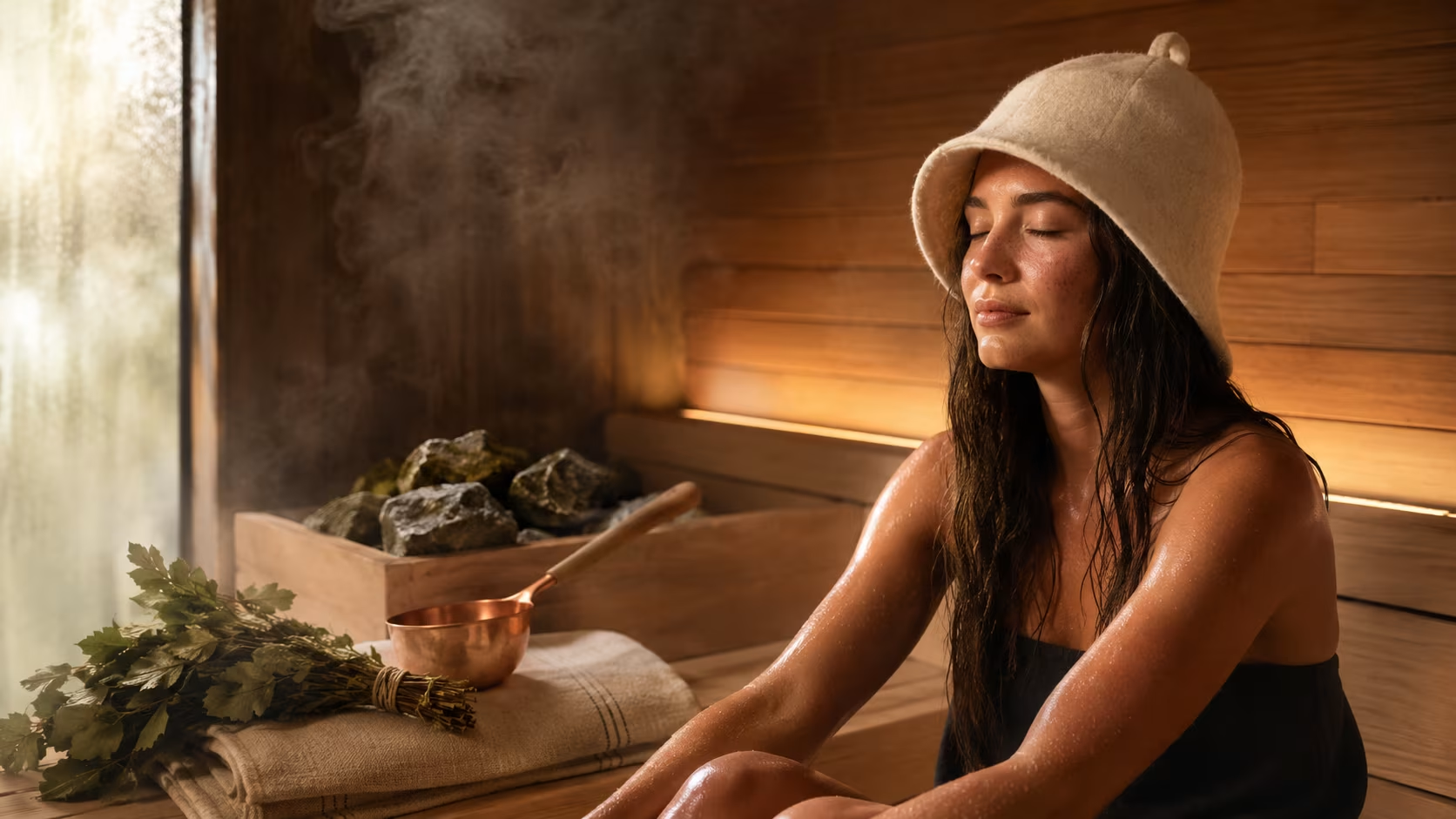
If you do decide to use a sauna while dealing with a mild cold, this is a smart time to reach for a sauna hat.
Here’s why it matters: the hottest air in a sauna rises and concentrates near the ceiling, right where your head sits. Without protection, your scalp absorbs a disproportionate amount of that heat. When you’re healthy, that’s manageable. When you’re already sick and your body is under stress, overheating your head can intensify dizziness, headaches, and fatigue, making you feel worse rather than better.
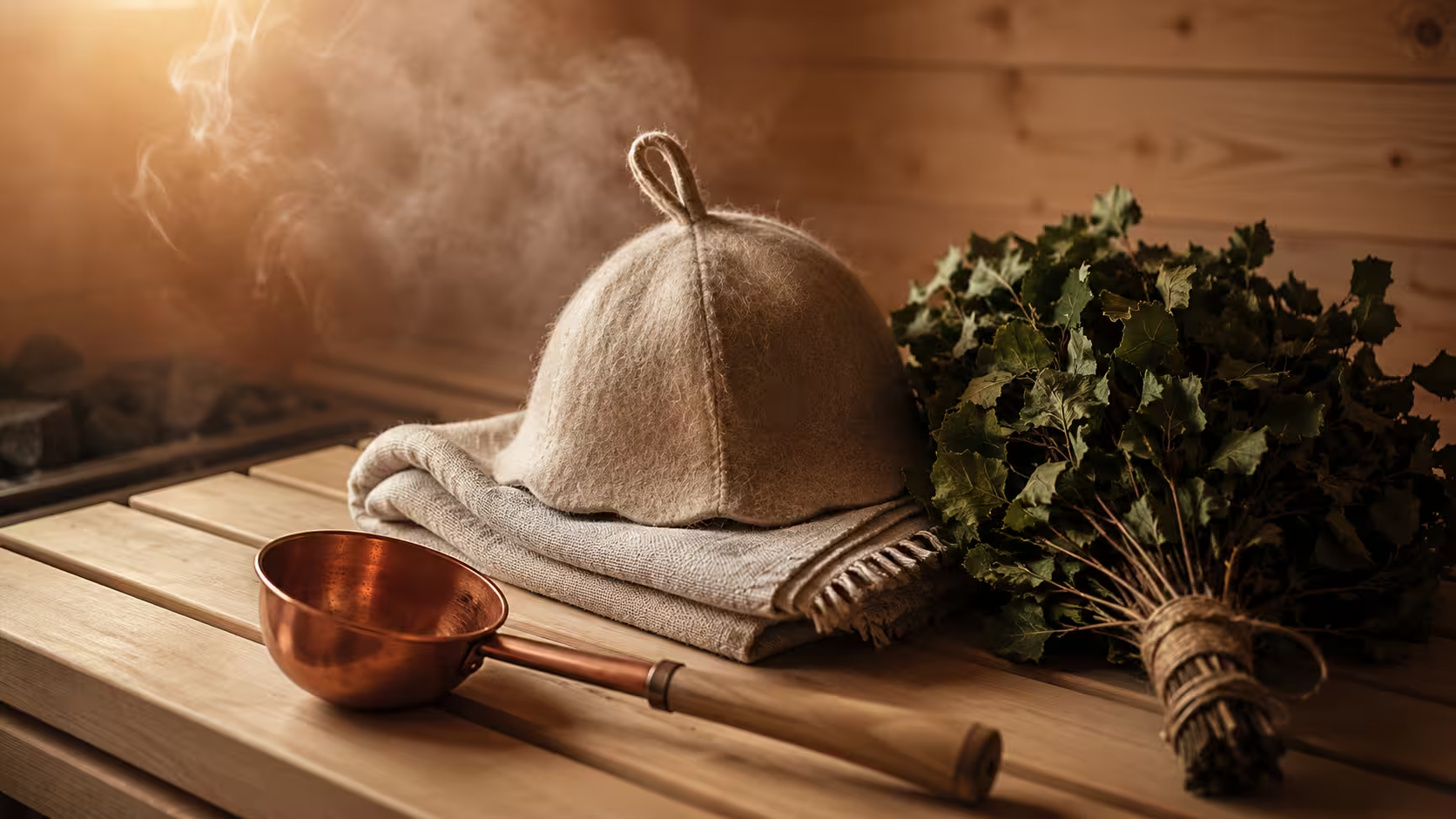
A good wool sauna hat acts as insulation, shielding your head from the intense overhead heat so the rest of your body can absorb warmth at a safer, more comfortable rate. It lets you stay in longer, feel better, and actually benefit from the session without pushing your limits.
Not all sauna hats are the same though. Here’s a quick guide to choosing the right one for cold-season use:
- For reliable everyday protection: The Wool Felt Sauna Hat is a classic choice. Dense felt wool provides excellent heat insulation and holds its shape session after session, making it ideal for regular sauna-goers who want consistent head protection.
- For a relaxed, comfortable fit: The Premium Wool Bucket Hat offers a casual, easygoing style with the same natural wool heat protection. A great option if you want something that feels less structured and sits comfortably even when you’re not feeling your best.
- For sensitive skin or those who run hot: The Merino Wool Sauna Hat is made from ultra-soft merino fiber, which is finer and far less scratchy than standard wool. When you’re sick and already uncomfortable, the last thing you want is an itchy hat. This is the go-to pick for cold-season sauna sessions.
All three are crafted from natural wool, which is breathable, moisture-wicking, and heat-resistant by nature. Whether you’re in peak health or fighting off a sniffle, a sauna hat is one of the simplest and most effective upgrades you can make to your sauna routine.
How to Use a Sauna Safely When You Have a Cold
If your symptoms are mild (congestion, slight body aches, no fever), here’s how to make the most of your session safely:
- Check your temperature first. If you have a fever, skip the session entirely.
- Hydrate before you go in. Drink at least 16 oz of water beforehand and keep water nearby. Both illness and sauna use are dehydrating, and combined, they can deplete you quickly. Avoid caffeine and alcohol before or after.
- Dial back the intensity. If you normally do 30 minutes at 175°F, try 15 minutes at 130°F. Let your body guide you, not your usual routine.
- Put on your sauna hat. Protecting your head from overhead heat is especially important when you’re already run down. If you want a soft, skin-friendly option during illness, the Merino Wool Sauna Hat is an excellent choice.
- Listen to your body. If you feel dizzy, lightheaded, or nauseous, exit the sauna immediately, cool down, and rest.
- Rest afterward. Don’t rush back into activity. Sleep is one of the most powerful recovery tools available, and a relaxing sauna session can set you up for a deeper, more restorative night.
The Bottom Line
So, is a sauna good for a cold? Here’s the honest summary:
- For prevention: Yes, strongly. Regular sauna use (two or more sessions per week) is associated with significantly fewer colds over time. The immune benefits are real and well-documented.
- For treatment: Partly. A sauna won’t cure your cold or shorten its duration, but it can provide genuine symptom relief, especially for congestion, muscle aches, and fatigue, when used carefully and without a fever.
- For safety: Always put safety first. Never sauna with a fever, flu, or serious respiratory symptoms. Hydrate well, shorten your session, and protect your head with a good wool sauna hat.
The sauna isn’t a silver bullet. But as part of a consistent wellness routine, alongside quality sleep, good nutrition, and regular hydration, it’s one of the most enjoyable ways to build a stronger immune system over the long haul.
Frequently Asked Questions
Yes, if you have no fever. Some wellness practitioners recommend a short, moderate sauna session at the very first sign of a cold, such as a scratchy throat or mild fatigue, combined with hydration and rest. The evidence for this approach is anecdotal, but it aligns with what we know about heat’s effects on immunity. Keep it under 20 minutes and keep the temperature moderate.
The warm, humid air in a traditional sauna can soothe a dry, irritated throat temporarily. It won’t treat the underlying infection, but it may offer some comfort during mild illness.
Infrared saunas operate at lower temperatures (120 to 140°F vs. 170 to 200°F for traditional Finnish saunas), making them gentler on the body when you’re under the weather. If you’re sensitive to high heat while sick, an infrared sauna may be the more comfortable option.
No. A fever means your body temperature is already elevated. Adding sauna heat can push your core temperature to dangerous levels. Wait at least 24 hours after your fever fully resolves before using the sauna again.
Keep it short: 10 to 15 minutes maximum. This is not the session to push your limits. Lower the temperature from your usual setting, wear a sauna hat to protect your head from overhead heat, hydrate well, and exit at the first sign of discomfort.
Ready to sauna smarter this cold season? Browse our full collection of wool sauna hats at Sauna Hat Club, designed to protect your head, extend your sessions, and make every visit more comfortable year-round.
Crafted from 100% natural wool felt for thermal protection.

Written by
Erik Virtanen
Erik grew up with the sauna as a weekly ritual. He writes about heat therapy, Nordic wellness traditions, and the art of slowing down.
More from the Journal
9 Proven Benefits of Wearing a Sauna Hat (Science-Backed)
Wearing a sauna hat offers proven science-backed advantages: it regulates head temperature, prevents heat stress,...

How Hot Is a Sauna? Temperature Guide for Every Sauna Type
This guide answers the common question, “how hot is a sauna?” for every major type....
What to Wear in a Sauna: The Complete Dress Code Guide
What to Wear in a Sauna? What is the Proper Attire for a Sauna Session?...